

- Trainer
- Marketers
- Founders
Marketing Strategy: Who to Win and How
Turn a string of campaigns into a plan. Define your market by what customers would do instead, find segments in your own data, choose whom to serve first with the weights written down, pick a difference you can prove, choose channels on what a paying customer really costs, spend on useful contacts instead of reach, shape the offer and the range, measure what marketing added against a baseline, and assemble a one-page marketing plan, on realistic cases from an online tutoring school and a one-person tutoring practice.
Free32 lessons~14 h 46 min of learning
Module 1: What does marketing decide, and against what?
Four marketing choices instead of a stream of ads, the customer's real alternatives, and an honest competitor scan from public sources.
- 1.1Four choices, not a stream of adsWhat marketing decides: whom you serve, what you offer, why they choose you and how they find you. Strategy vs tactics, and the one-page plan you build in this course.~24 min
- 1.2Who you really compete withDefine the market by what customers would do instead: free videos with an AI chatbot, a school teacher's lessons, or doing nothing at all.~24 min
- 1.3Reading competitors from public sourcesAn honest competitor scan: what you can learn from public sources, how to check an AI summary, and the line you never cross. Dana applies it to her own tutoring practice.~25 min
- 1.4Case: the situation rowRewrite a draft that benchmarks the wrong rival: define Klasna's market by customers' alternatives, use public facts with dates, and write the plan's first row.~32 min
Module examComplete 4 more lessons to unlockModule 2: Who are our customers, really?
Why the average customer misleads, segments by need, situation and behavior, and who uses, pays and influences.
- 2.1The average family doesn't existKlasna's dashboard says the typical learner is 15 and takes about six lessons a month. The customer export shows almost nobody like that, and two very different groups hiding behind the average.~27 min
- 2.2Find them by description, win them by needDescription tells you where to find customers; need, situation and behavior tell you what wins them. Klasna's two exam groups look alike and buy differently, and Dana sorts her enquiries by goal and deadline.~24 min
- 2.3Who uses, who pays, who influencesIn a family purchase the teen studies, the parent pays and a school teacher often recommends. Each needs a different message, and some targeting is off-limits: no ads aimed at minors, no sensitive traits.~24 min
- 2.4Case: name Klasna's segmentsFrom the customer export and three interview notes, name Klasna's segments in plain words: the rule that finds each, its size, need and behavior, and who uses, pays and influences.~38 min
Module examComplete 4 more lessons to unlockModule 3: Whom do we serve first?
One offer for all, a few tailored or one focus; scoring segments with written weights; a first niche and whom to say no to.
- 3.1One offer, a few, or one focusThree coverage stances: one offer for everyone, a few tailored offers, or one focus. Why a small team usually leads with one segment, keeps one or two warm, and writes down whom it won't market to this year.~23 min
- 3.2Attractiveness and ability to winScore segments on two sides, what a segment is worth and how well you can win it, with every direction, band and weight written down, and see how one criterion scored the wrong way flips the choice.~25 min
- 3.3A niche the hours can fillDana picks a first niche for her one-person tutoring practice: sized by her free hours, described by need and by where people gather, honest about rivals and risks, with a short list of whom she says no to.~21 min
- 3.4Case: Klasna's lead segment for 2027Score Klasna's four consumer segments on a year of monthly data and the customer export, with the weights and directions written down, find what one reversed criterion does to the ranking, and write the plan's first-target row.~37 min
Module examComplete 4 more lessons to unlockModule 4: Why should they choose us?
The frame of reference, a difference customers value and you can prove, the positioning statement and a cheap test.
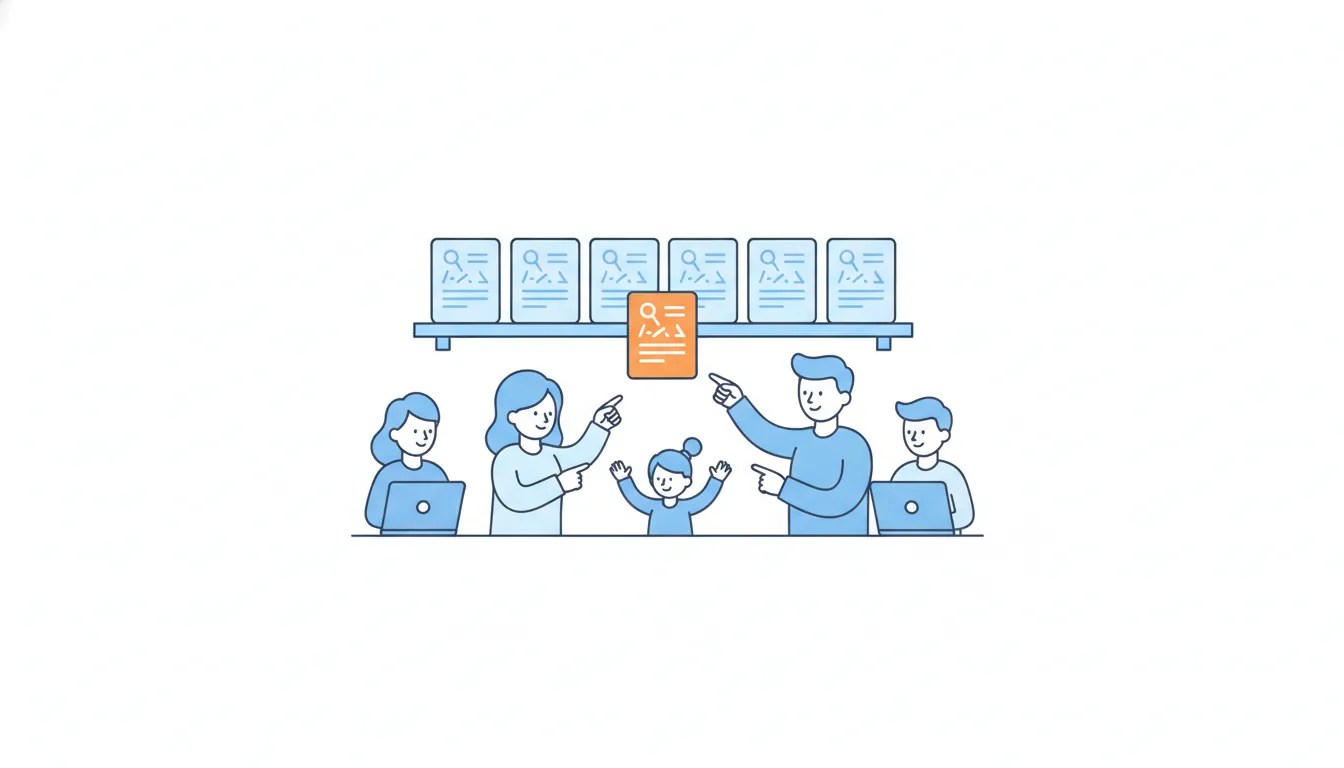
- 4.1Which shelf in the customer's headThe frame of reference is the category customers file you in, and it decides whom you are compared with. How to choose it on purpose for the lead segment, which signals set it, and the usual mistakes.~23 min
- 4.2A difference that countsTable stakes get you considered; a differentiator gets you chosen. Run every claim through four checks: it is relevant to the customer's choice, distinct from what alternatives already say, provable with something they can see, and deliverable to every customer. Then back it with honest proof.~24 min
- 4.3The positioning statement and messagesFix the position in one internal sentence (for whom, which shelf, one difference, the proof), build a message hierarchy for the payer, the user and those who recommend, draft variants with AI and check them, then write Dana's profile line and pinned post.~21 min
- 4.4Case: reposition Klasna ClubKlasna Club is filed as "an AI chatbot you pay for" and members leave for free ones. Read the exit answers and the attendance sample, move the Club to a shelf it can win, change the offer to match, design a cheap and honest test, and write the plan's position row.~34 min
Module examComplete 4 more lessons to unlockModule 5: How do people find us and buy?
The path to a purchase, own, rented, paid and partner channels, and channel economics after fees, refunds and second packages.
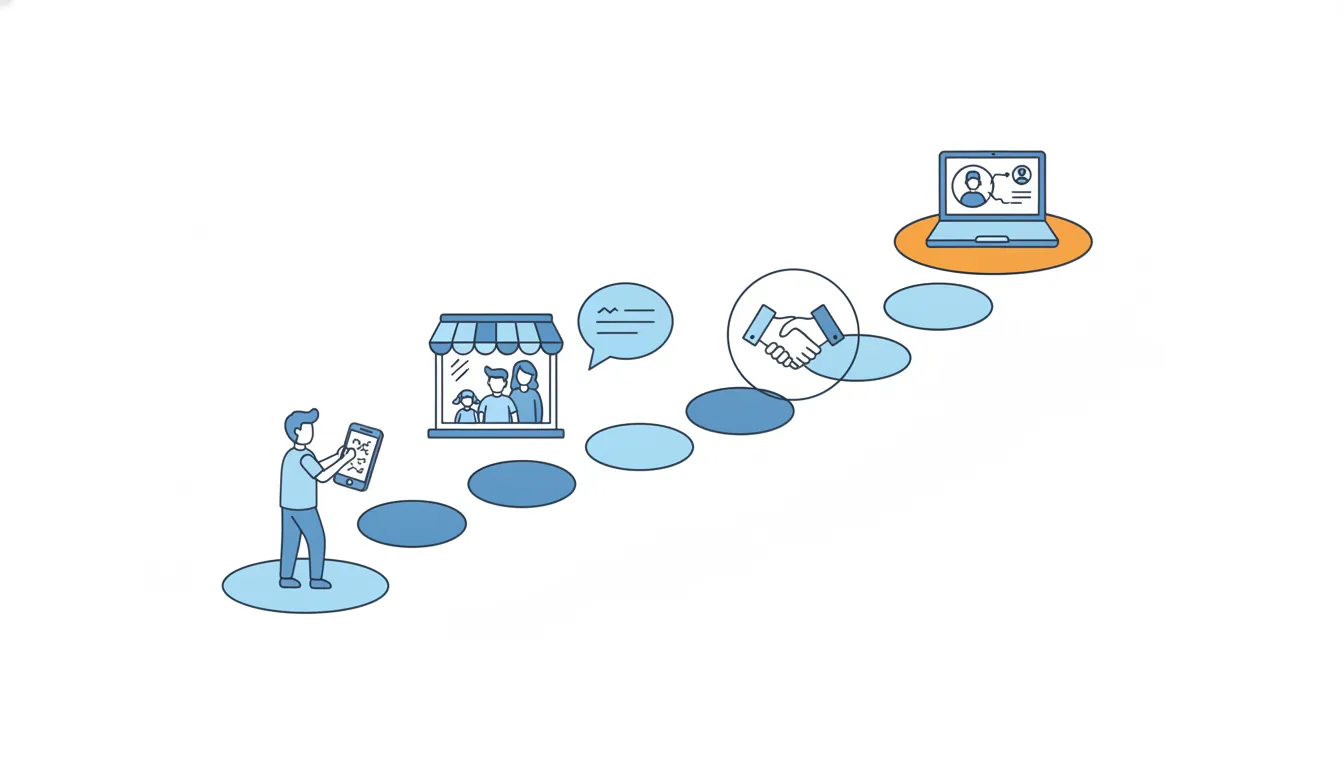
- 5.1The path to a purchaseA considered choice and a habit take different paths: map the steps from need to second purchase, see what each step needs and where customers leak away.~26 min
- 5.2Own, rented, paid and partner channelsSort marketing channels by who controls them: what owned, rented, paid and partner channels each give you, and what you give up: the relationship, the data, the terms.~22 min
- 5.3Channel economics after fees and refundsFollow four channels from enquiry to second package and see why the cheapest enquiry can turn into the dearest paying family once fees and refunds are counted.~28 min
- 5.4Case: two channels for DanaDana runs a one-person tutoring practice with hours instead of a budget. Read her eight-week channel log, choose two channels and write her channels row.~34 min
Module examComplete 4 more lessons to unlockModule 6: What do we say, where, and with what budget?
Goals by step and tools by goal, cost per useful contact instead of reach, and a budget built from the goal backwards.
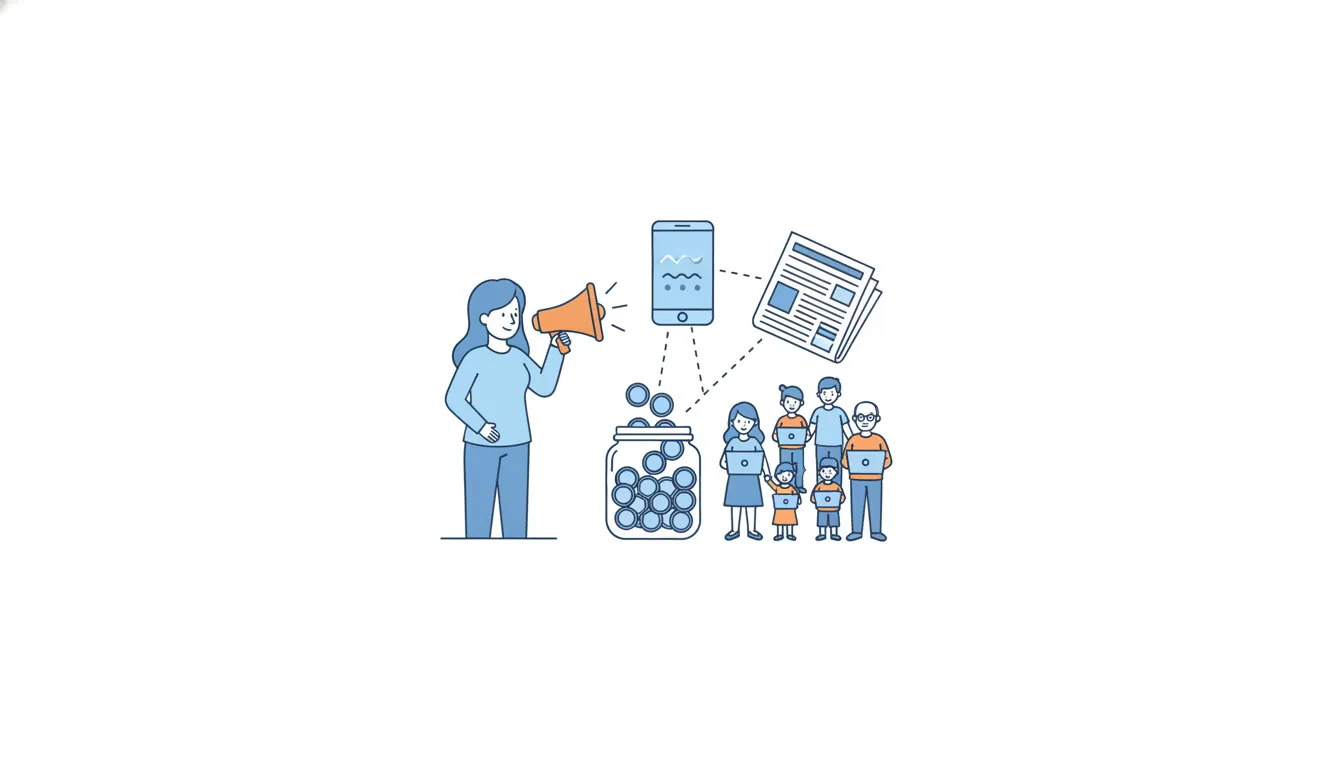
- 6.1Goals by step, tools by goalSet one goal for each step of the path to purchase, then pick paid, owned, earned or shared tools for that goal, and decide what runs all year and what runs as a campaign.~24 min
- 6.2Cost per useful contact, not reachCompare six media options for Klasna's September restart by cost per useful contact instead of views and cost per thousand, and see the cheapest reach drop to last place.~27 min
- 6.3A budget from the goal backwardsWork a marketing budget back from the families you need, run it through sanity checks against history, contribution and the monthly line, and do the same for Dana in hours.~27 min
- 6.4Case: the September restart planPut the module together: a calendar, a message hierarchy, a budget that fits the month and honest offer rules for Klasna's September 2027 restart, plus the plan's messages and budget row.~39 min
Module examComplete 4 more lessons to unlockModule 7: What do we offer next, and where do we grow?
The offer in layers, reading the life-cycle stage from the right comparison, roles in a range, and choosing a growth direction.
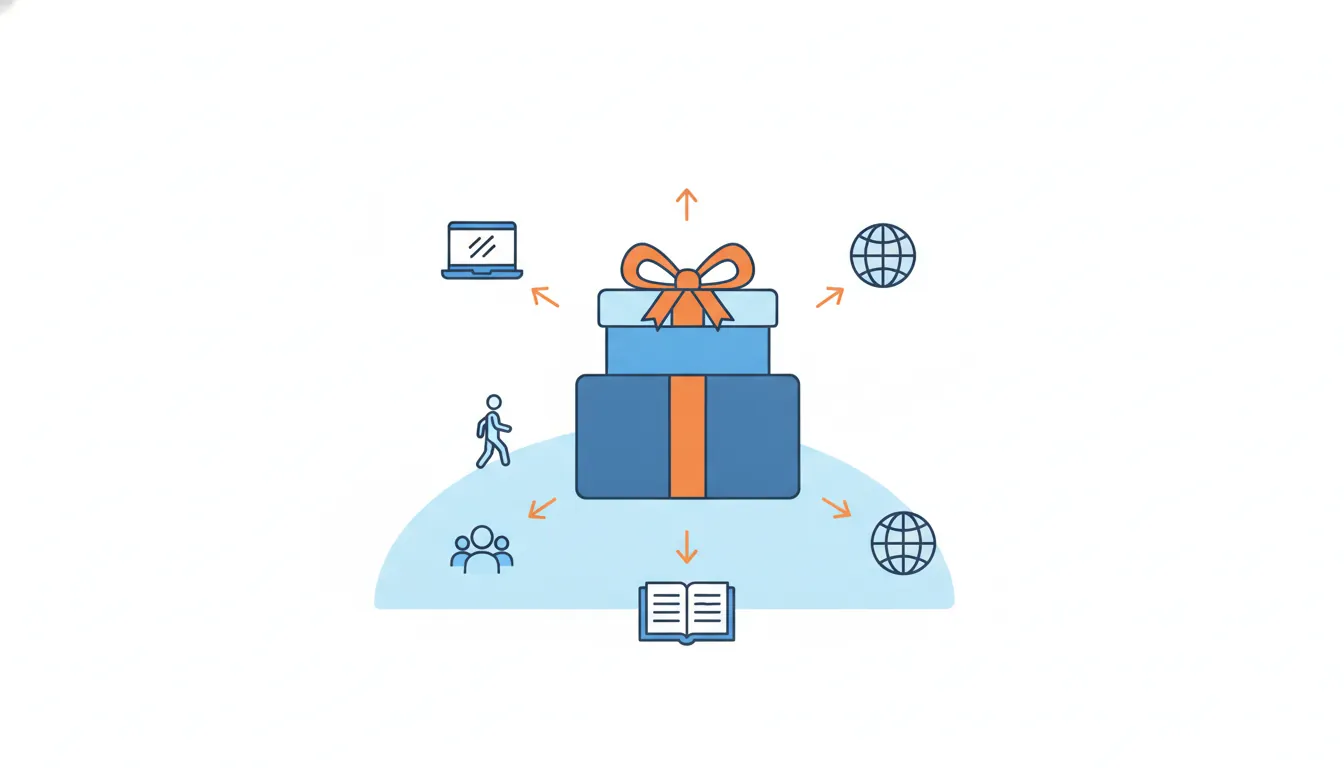
- 7.1The offer in layersWhat a family really buys, which parts of the offer are table stakes and which are extras, and two questions to ask of any AI idea: does it take over the tutor's part or a chore around it, and does the family see more or do we only save cost?~25 min
- 7.2Where is it in its life?Read an offer's life-cycle stage from the right comparison, not from one bad season: a mature course with a summer dip, a club three months old, and the launch stance (price level and promotion effort) each one calls for.~29 min
- 7.3Roles in a rangeGive every offer a job: entry, core earner, premium or add-on. Check a new offer for cannibalization on total contribution, and see how a one-person tutoring practice adds a short course.~26 min
- 7.4Case: four ways to grow in 2027More per family, a new subject for current families, adults abroad or a new market: compare the four growth directions, price the downside of each, and write the offer-and-growth row of Klasna's plan.~36 min
Module examComplete 4 more lessons to unlockModule 8: Did it work, and what's the plan?
Metrics from activity to profit, what would have happened anyway, the monthly control loop and the one-page marketing plan.

- 8.1From activity to profitTurn a dashboard of activity into a chain from spend to contribution: leading and lagging metrics, a target worked backwards from the goal, one owner per metric, and how metrics get gamed.~25 min
- 8.2What would have happened anywayA campaign "brought 410 families". Separate the families who come back every year, compare with last year and with holdout cities, and compute the return on contribution and its range.~28 min
- 8.3The monthly control loopCompare results with the plan every month, find the cause of a gap, and decide (keep, fix the ad, move budget or re-forecast) with scale and stop rules agreed in advance; use AI to draft the review with checks; and see a one-person practice run the same loop.~27 min
- 8.4Case: Klasna's marketing plan for 2027Assemble the eight rows of the course into one page: situation, segments, first target, position, channels, messages and budget, offer and growth, metrics and review. Check that the rows agree and that every claim can be measured against a baseline.~37 min
Module examComplete 4 more lessons to unlock