

Theory
Commitment currencies and early adopters
Why a compliment proves nothing once you show your idea, what counts as a real commitment, how to read the three currencies customers pay with (time, reputation and money) and how they reveal your early adopters.
~11 min read · 12 exercises · 250 points
Before you start
Twelve yeses
New module, same job on CatChow's product team: finding out whether people want the food subscription. Now that Sofia understands how customers buy food, she has finally shown the idea to twelve cat owners, and everyone loved it. Megan's sales pipeline looks just the same: full of “keep me posted”.
This module is about turning interest into evidence. In this first lesson you'll learn what counts as a real commitment, what customers can pay with besides money, and how that shows you who your first customers are.
When the compliments come back
Now that Sofia understands how people buy food, she finally showed the subscription to twelve cat owners, which is the right move at this stage. Everyone loved it. Most said: let me know when it launches. Megan, CatChow's head of sales, has the same story: eight offices and two pet shops, a pipeline full of “sounds great, keep me posted”, and not a single signature.
Once you reveal your idea, compliments come back. That's expected, and it tells you almost nothing about demand. Liking an idea costs nothing, so polite listeners and future customers look exactly the same. Twelve out of twelve is twelve free reactions.
It doesn't prove the idea is bad either. Sofia never asked anyone for anything, so nobody had a chance to show real interest. And nobody discussed a price, so the team knows nothing about what people would pay.
The filter is a commitment: ask people to give up something they value to move forward, and see who actually does.
- Don'tReport: “12 of 12 loved it, demand is proven.”
Twelve free reactions, counted as demand.
- Do“Glad you like it. Would you try a trial box for two weeks, starting Monday?”
Turns a compliment into a chance to commit.
What counts as a commitment
A commitment is someone giving up something they value now, to move forward with you. Not words: their time, their reputation or their money. These are the three main commitment currencies.
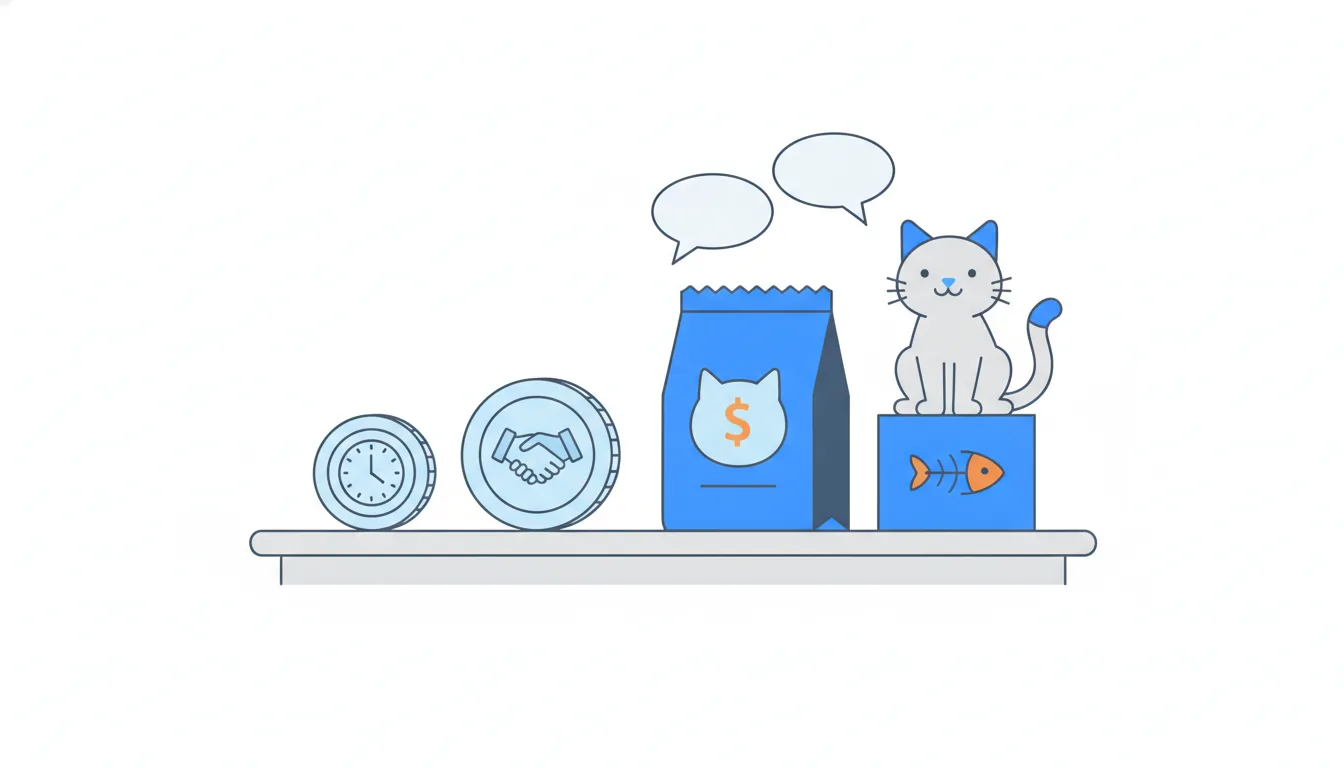
Think of evidence as having a price. A compliment costs nothing, so as evidence it's worth nothing. An evening spent testing your prototype costs a lot, so it tells you a lot. “I love it” is free; “here's 1,250 UAH for the first box” isn't.
A future promise like “I'll definitely subscribe the day you launch” is free too, however warm and sincere it sounds. The speaker may even mean it, but nothing is given up today, and plans made in a friendly conversation rarely survive the moment when the bill arrives. So future promises don't go on the list, whoever says them and however confident they sound.
The test for any reaction is simple: what did this person give up today?
- Don't“I'll definitely subscribe the day you launch!”
A future promise: warm, maybe sincere, and free.
- Do“Here's 1,250 UAH for the first box.”
Money given up today: a real commitment.
Paying in time and reputation
Two of the three commitment currencies have nothing to do with money.
Time commitment: a follow-up call with a clear agenda, feedback on packaging sketches, two weeks of using a trial box and reporting what went wrong. Olivia offered exactly that: “Send me a trial box. I'll keep a little diary for two weeks: what Whiskers ate, what he ignored, when the delivery came.” That's a real offer of effort, and it becomes evidence once the diary actually arrives.
Reputation risk: people put their name on the line with an intro to a colleague or a boss, a public review, or agreeing to be a case study. Why is an intro expensive when it's one email? Because if you waste the boss's time, the boss is annoyed with the person who introduced you. Nobody takes that risk for an idea they don't believe in.
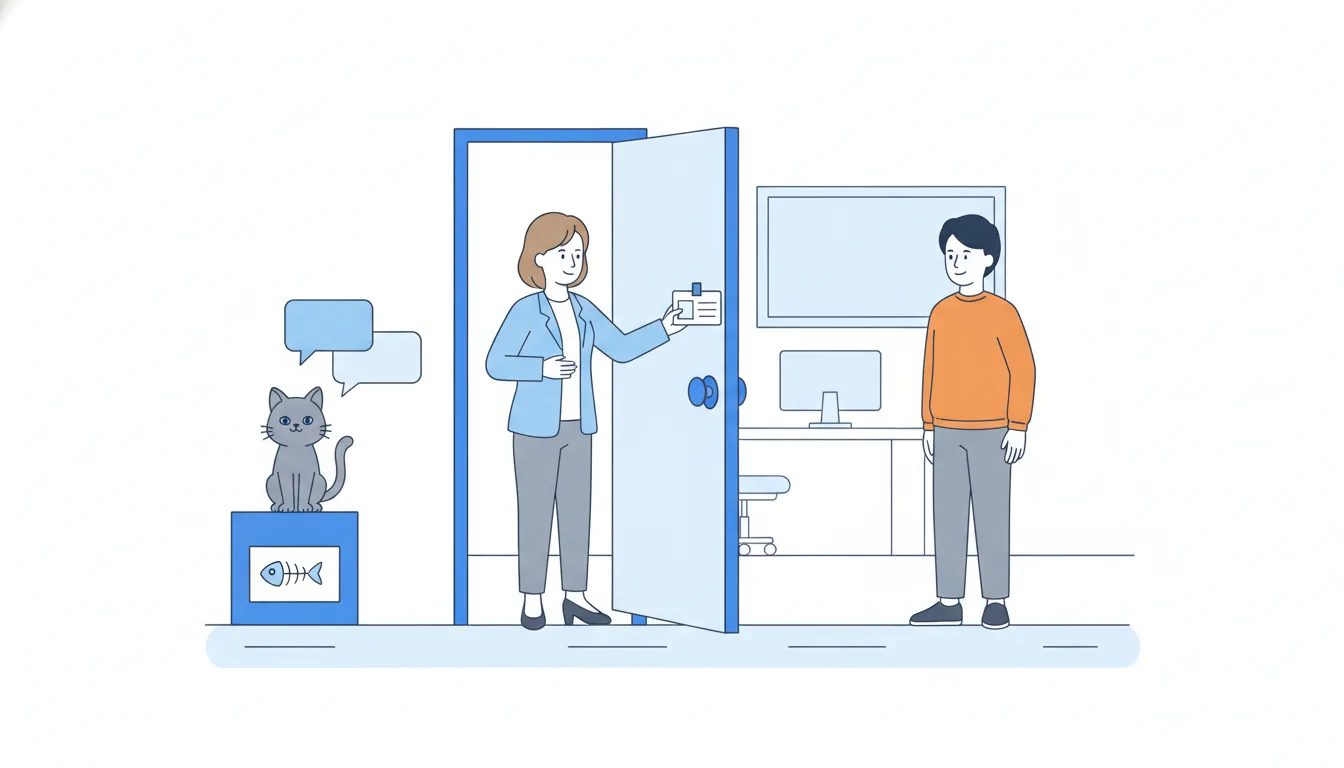
So when an office manager offers to introduce Megan to the HR director who owns the benefits budget, the answer is yes, today. An intro to the decision maker is one of the most valuable things a B2B contact can give you.
- DoOlivia: “I'll keep a diary of the trial box for two weeks.”
Time, and it counts once the diary arrives.
- Do“Let me introduce you to our HR director, she owns the benefits budget.”
Reputation on the line, and a path to the decision maker.
- Don'tMegan: “Maybe later” to an offered intro.
Turning down one of the strongest signals a contact can give.
Pre-orders, deposits and letters of intent
The third currency is money, and it's the most convincing. A cash commitment doesn't have to be big. There are three common forms:
- Pre-order: paying today for something that ships later, such as 1,250 UAH now for the first box that ships in March.
- Deposit: a small sum to reserve a place, for example 200 UAH for one of the first hundred spots, refundable if the person changes their mind.
- Letter of intent (LOI): for companies, a signed letter saying they plan to buy on certain terms. It isn't legally binding, but a director has put a signature on it, and that signature carries their reputation.
A pre-order for a subscription that doesn't exist yet? Who would do that? Someone who really has the problem. And if nobody will pay anything, you've learned it before signing a warehouse lease, not after. Even a small deposit tells you more than a dozen yeses, because it separates the people who need the thing from the people who are being nice.
- Do“Pay 200 UAH now to hold one of the first hundred places; it's refundable.”
A small, safe deposit that still separates need from politeness.
- Don'tSigning a warehouse lease before anyone has paid anything.
The expensive way to learn that nobody would pay.
Bigger commitments, stronger signals
Any commitment is better than a compliment, but commitments come in sizes. A 15-minute look at mockups is a weak signal; a paid pilot is a strong one. A rough ladder from weakest to strongest:
- A compliment: nothing given.
- A short follow-up call: a little time.
- A two-week trial with notes: a lot of time.
- An intro to the budget owner: reputation.
- A paid pilot: money, time and reputation at once.
The strongest commitments combine currencies. Imagine the IT company pays for a three-month pilot for the cats of 20 employees. Time: they organise it. Reputation: HR puts their name on a new perk. Money: 20 × 1,250 × 3 = 75,000 UAH. Compare that with “sounds great, keep me posted”: the same friendly smile, a completely different price.
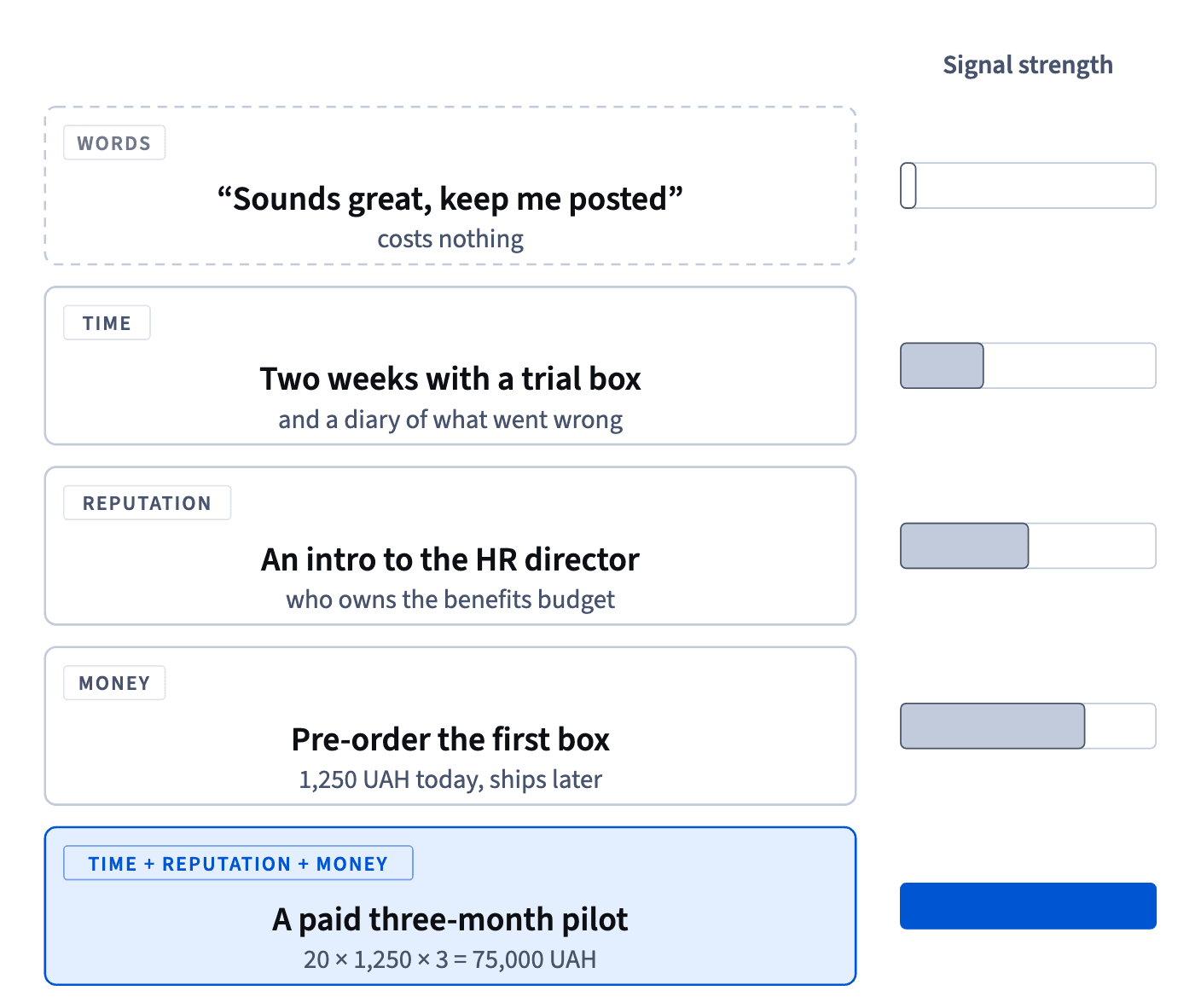
So a commitment doesn't mean someone will become a customer. The more they give up, the more seriously you can take their kind words.
- DoA paid three-month pilot for 20 employees' cats: 75,000 UAH.
Money, time and reputation in one commitment.
- Don'tTreating a 15-minute look at mockups as a closed deal.
A real commitment, but a small one.
Spotting a real commitment
To check whether a conversation ended with a commitment, ask one question: what did this person give up today? A deposit is money. Booking a call with their CFO costs time and puts their name on the line. A public review is reputation.
Words don't count, however positive they are. “I'd definitely buy it” is a future promise. “Let me think about it and I'll get back to you” is a polite way to postpone. Sort every ending by what was actually paid, not by how friendly it sounded.
The same rule fixes your reports. Counting commitments instead of smiles is demand validation. Sofia's line “12 conversations, 12 positive” becomes: nine said “let me know when it launches”, two agreed to look at app mockups and one sent feedback, and one person, Nora, asked to pre-pay. That's one hot lead, one small helper and a lot of polite noise. Less exciting than “12 of 12”, and far more useful. One lesson from it too: when an early evangelist wants to pay, have a payment link ready.
- DoAn HR manager books a call with her CFO and Megan for Thursday at 10.
Time and reputation, with a date in the calendar.
- Don't“Let me think about it and I'll get back to you.”
A polite way to postpone; nothing changes hands.
- DoReport: “1 asked to pre-pay, 1 sent mockup feedback, 9 said ‘let me know’.”
Counts commitments, not smiles.
Early adopters
Who makes the strongest commitments? Usually early adopters: the first customers to buy a new product, before it's polished or proven. They do it because their problem hurts enough to put up with rough edges, a half-finished app, a delivery that sometimes comes late.
You don't spot them by enthusiasm. Plenty of people get excited about an idea and never pay; excitement is free and common. The loudest fan in the room may be the least likely to buy.
You spot early adopters by who commits first, in time, reputation or money:
- Who asks how to pay before you've finished explaining?
- Who offers to test a rough version and send notes?
- Who puts you in front of their boss or their budget owner?
So when you look back at a round of conversations, don't rank people by how much they smiled. Rank them by what they gave up. Enthusiasm is pleasant to hear; commitment is the signal.
- Don't“He was the most excited of the twelve, so he's our first customer.”
Excitement is free; it doesn't predict paying.
- Do“She asked how to pay before I'd finished explaining.”
Committing first is the early adopter's signature.
Early evangelists
One of Sofia's twelve was different: before Sofia finished explaining, she asked how she could pay. Two cats, one on a prescription diet. She buys from three online shops and tracks every bag in a spreadsheet so she never runs out.
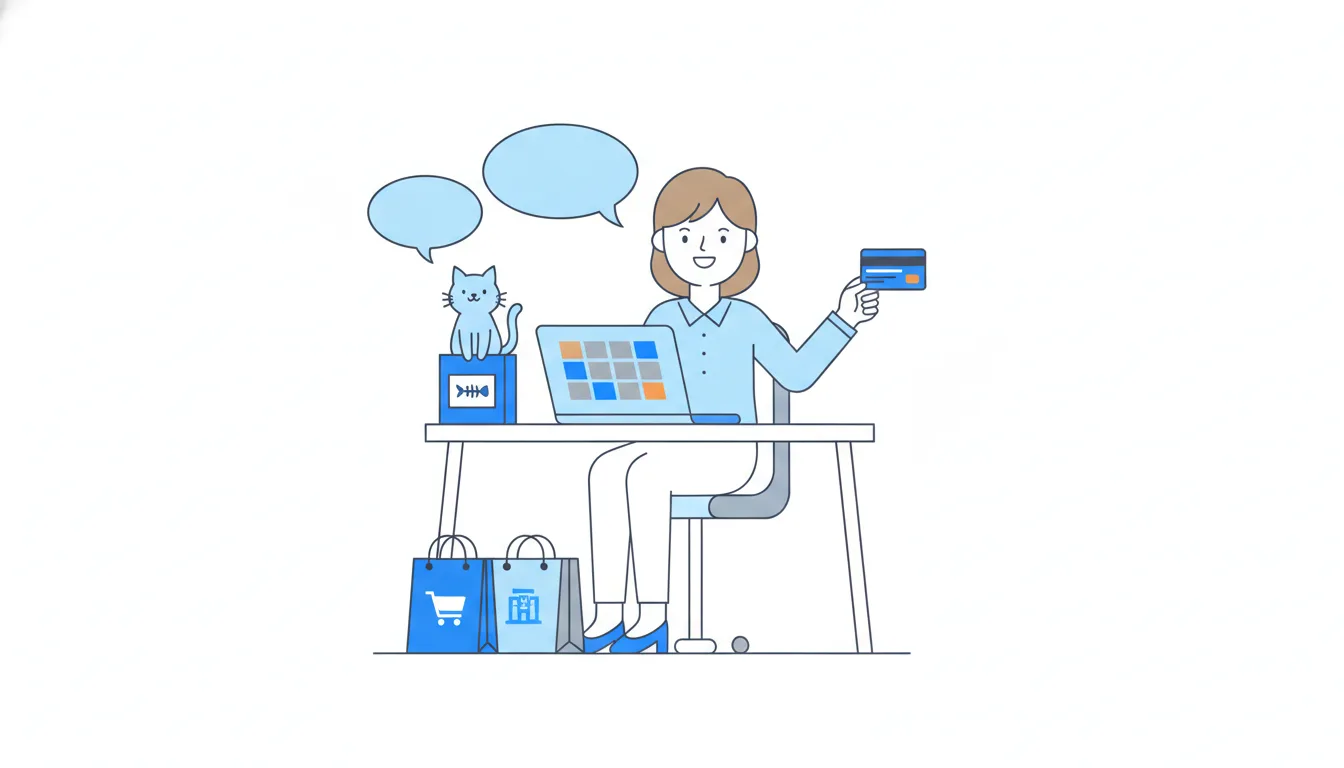
That's an early evangelist, the most committed kind of early adopter. Five signs:
- they have the problem;
- they know they have it;
- they've searched for a fix;
- they've built their own workaround;
- they can pay.
The workaround is the giveaway: a spreadsheet tracking every bag, phone reminders after two emergencies, a spare bag kept at work. Someone who runs out once a month and shrugs has the problem but doesn't care enough to act. A compliment or a conditional “I'd subscribe if it were 30% cheaper” isn't any of the signs.
Early evangelists are rare (one of Sofia's twelve, about 8%), and they commit before it looks rational: they'll pay for a half-finished product because the pain is real. Find them first and keep them close. Be nice to the ones who just smiled, but don't count on them for your first sales.
- DoNora: phone reminders after two emergencies, a spare bag at work, and “Can I pre-pay three months?”
A workaround plus money offered now.
- Don'tBrandon: “I'd subscribe if it were 30% cheaper than the shop.”
A conditional promise with no workaround and nothing offered.
Plan the ask before the call
Commitments rarely appear by themselves; you have to ask for them. And like scary questions, asks get dropped in the moment, when the call is warm and asking for something feels like spoiling it. So decide before the call what you'll ask for.
A good ask is concrete: what, when and how much. “Let's stay in touch” is not an ask. “Would you test a trial box for two weeks, starting Monday, and send me notes on Friday the 14th?” is. Prepare one ask in each currency that fits where the person is now: some time (a trial, a follow-up call), some reputation (an intro to someone who'd care), some money (a pre-order or a small deposit). Then you can pick the one that fits how the conversation went.
And if the answer to all three is no? Then you've learned something true about their interest. A clear no is useful; a vague yes isn't. It saves you from chasing someone who was only being kind.
- Do“Would you test a trial box for two weeks from Monday and send notes on the 14th?”
Concrete: what, when and how much effort.
- Don't“Great talking to you! Let's stay in touch.”
No ask, so no way to tell real interest from politeness.
Ready to practise?
Answer the lesson's exercises and earn 250 points the first time you finish it.
Start the exercises