

- Trainer
- Marketers
- Founders
- Managers
B2B Marketing and Sales: Win Your First Company Customers
Sell to companies, not individuals. Map who is in a buying decision, pick the customers worth winning, run a pipeline that tells the truth, build demand in a long sale, run discovery calls and demos, price from the buyer's economics, trade discounts instead of giving them away, work with partners within the law, and grow from founder-led selling to a first hire, on realistic cases from a corporate training team.
Free32 lessons~14 h 18 min of learning
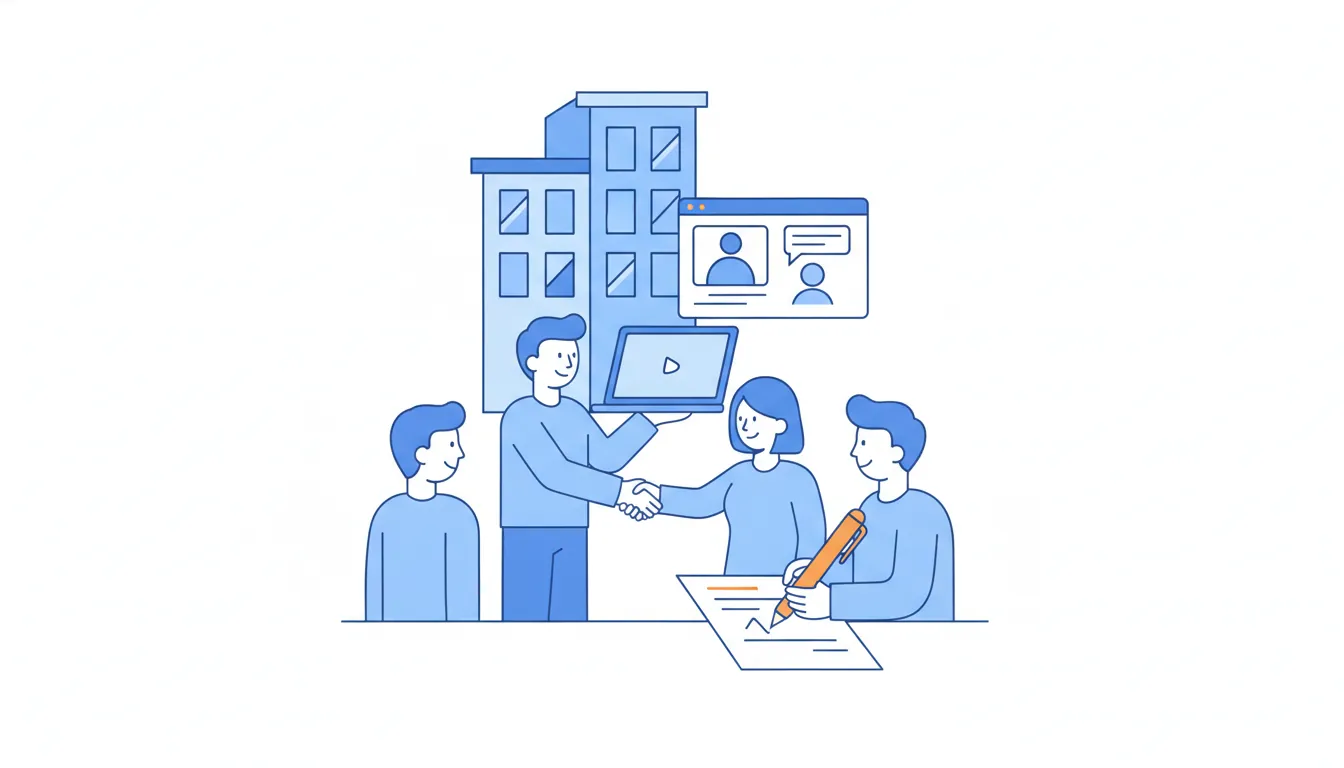
Module 1: Who buys, and why it takes seven people
Roles in a buying committee, the three buying situations, reducing the buyer's risk, and mapping a prospect before the first meeting.

- 1.1One deal, many people: who is in the buying committeeUsers, a champion, the budget owner, procurement, legal and IT security: who shapes a company purchase and what each of them fears.~25 min
- 1.2Three buying situations: first-time, renewal, switchA company buying for the first time, renewing or switching from another provider fears different things and needs a different move from you.~23 min
- 1.3Reducing the buyer's riskProof each person on the buying side can use, and a pilot that ends in a clear yes or no.~25 min
- 1.4Case: map Veloria's buying committeePrepare the first meeting with a logistics prospect: who is in the decision, what each person fears, which proof and pilot to bring, and what to ask first.~34 min
Module examComplete 4 more lessons to unlockModule 2: Whom to sell to
An ideal customer profile from won and lost deals, scoring segments and accounts, and account tiers.
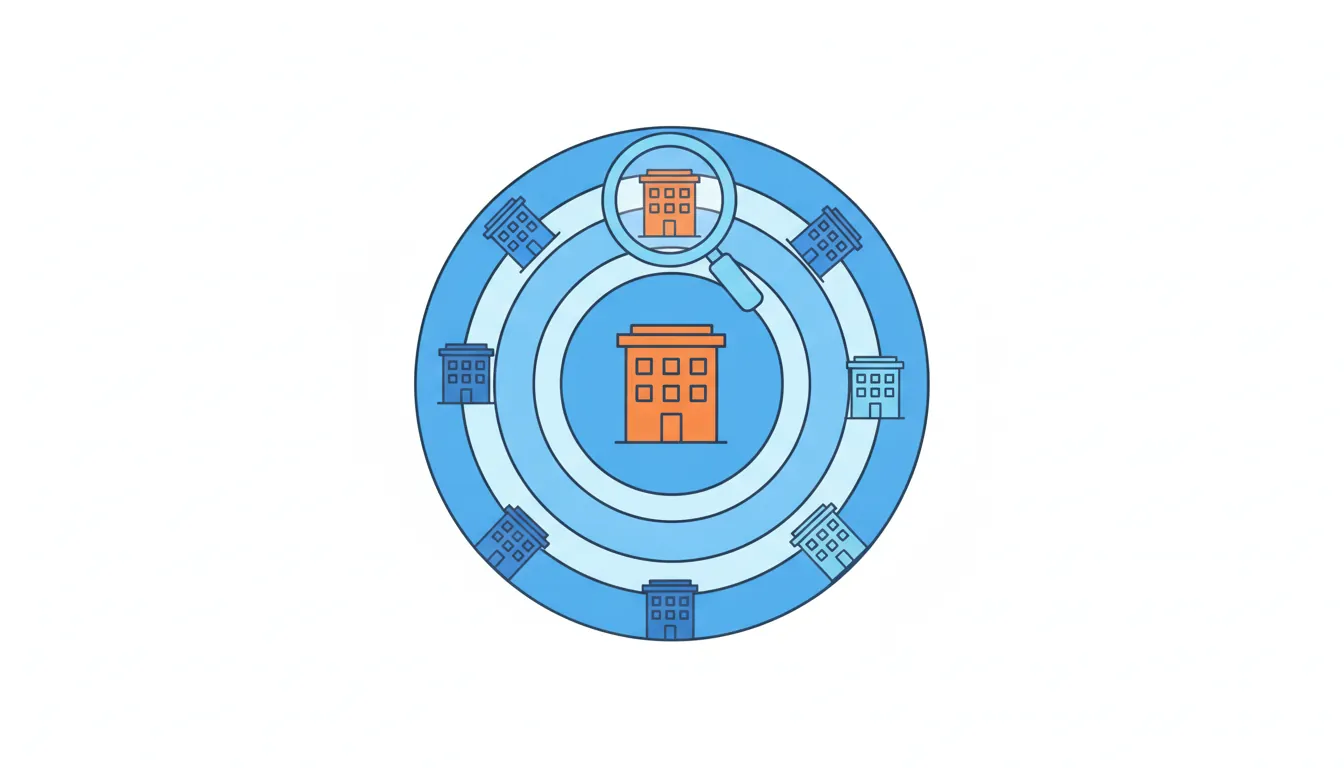
- 2.1An ideal customer profile from your best customersBuild an ICP from won and lost deals: industry, size, why they need the product, deal size, speed and cost to serve, plus the disqualifiers that save you time.~27 min
- 2.2Scoring segments and accounts: profit, not revenueTurn ICP criteria into a score: the direction and scale of each criterion, weights that add up to 100%, profit per lesson after service cost, and scoring bottom-up from real accounts.~25 min
- 2.3Account tiers: one-to-one, one-to-few, one-to-manySplit limited selling time by tier: a personal plan for a few big accounts, shared work for clusters of similar companies, and programs for everyone who fits.~23 min
- 2.4Case: forty companies, who is our ideal customer?Read Klasna for Teams' won and lost deals since 2024, rank segments by profit after service cost, and write the ideal customer profile, disqualifiers and bets for 2027.~38 min
Module examComplete 4 more lessons to unlockModule 3: The pipeline
Stages that mean something, honest qualification, and a bottom-up forecast.
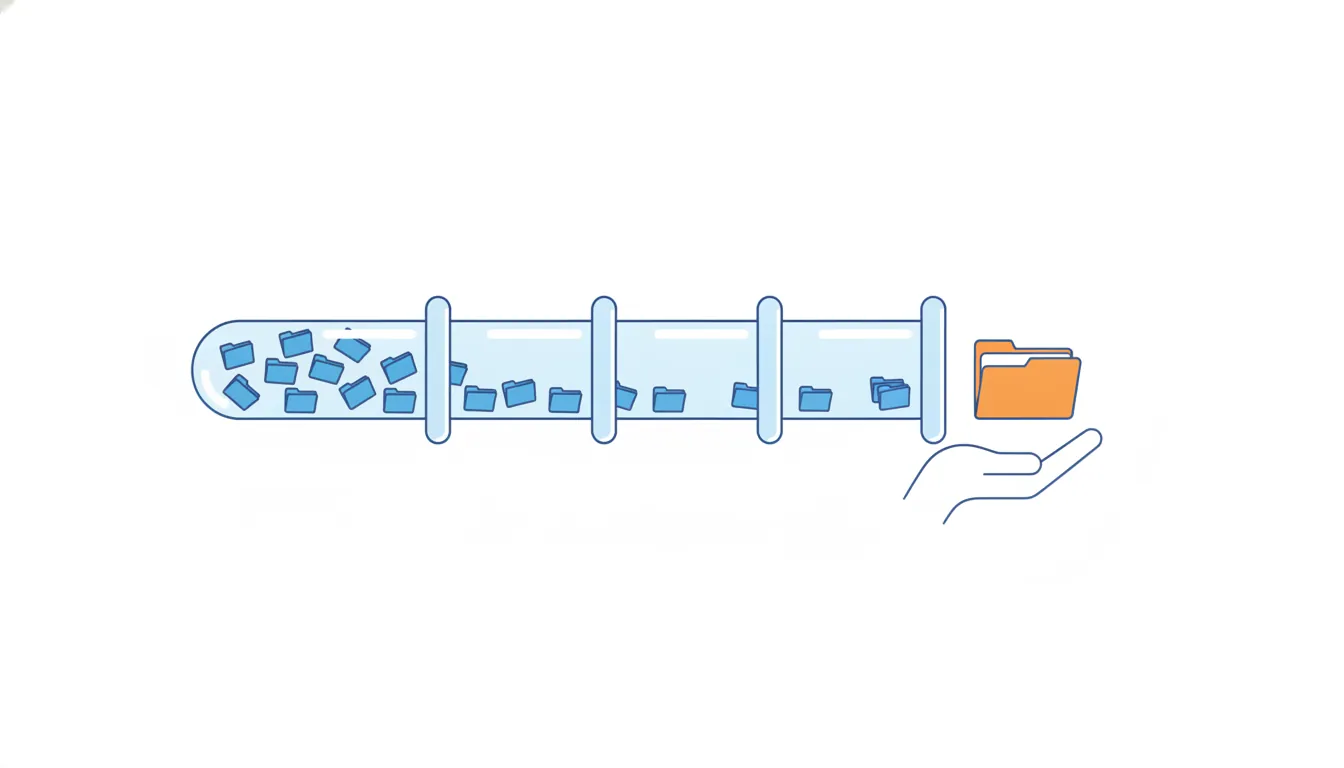
- 3.1Pipeline stages that mean somethingDefine each pipeline stage by what the buyer did, set entry criteria you can check, and flag stuck deals by days in stage and buyer silence.~21 min
- 3.2Qualifying a deal: four honest questionsNeed, budget owner and process, timing and the cost of doing nothing, and the alternative: four questions that tell whether a deal is real, asked about the buyer's past and present.~22 min
- 3.3Forecasting bottom-up: key accounts, renewals, new businessBuild a sales forecast in three parts: key accounts judged one by one, the base of renewals, and new deals weighted by pooled stage conversion; then commit, best case and expected.~21 min
- 3.4Case: the quarter's forecast reviewThirty open deals and an owner-feel forecast of 10.6 million: move the key accounts, flag the stale deals, weight the rest by pooled conversion and give Marta commit, best case and expected.~40 min
Module examComplete 4 more lessons to unlockModule 4: Building demand in a long sale
Content a committee uses, consent-based outbound, and measuring marketing with a baseline.

- 4.1Content a committee uses: one asset per role and stageWhy ten blog posts a month rarely move a company deal, which four assets each committee member actually uses, when to give them, and what never to write.~23 min
- 4.2Outbound that respects consentReaching companies that have never heard of you: whom to contact, on what lawful basis, which data to keep, how to honor an opt-out, and what a good cold message looks like.~22 min
- 4.3Measuring marketing with a baselineWhy "the webinars returned twelve times their cost" is wrong: a baseline from the same months last year and a control group, incremental margin instead of revenue, and an honest ROMI.~24 min
- 4.4Case: a quarter's budget and what really movedLeads more than doubled this autumn. Split the credit between marketing and the baseline, channel by channel, and recommend where next quarter's 325,000 UAH should go.~36 min
Module examComplete 4 more lessons to unlockModule 5: Selling conversations
The discovery call, the demo and a mutual close plan, and honest answers to objections.
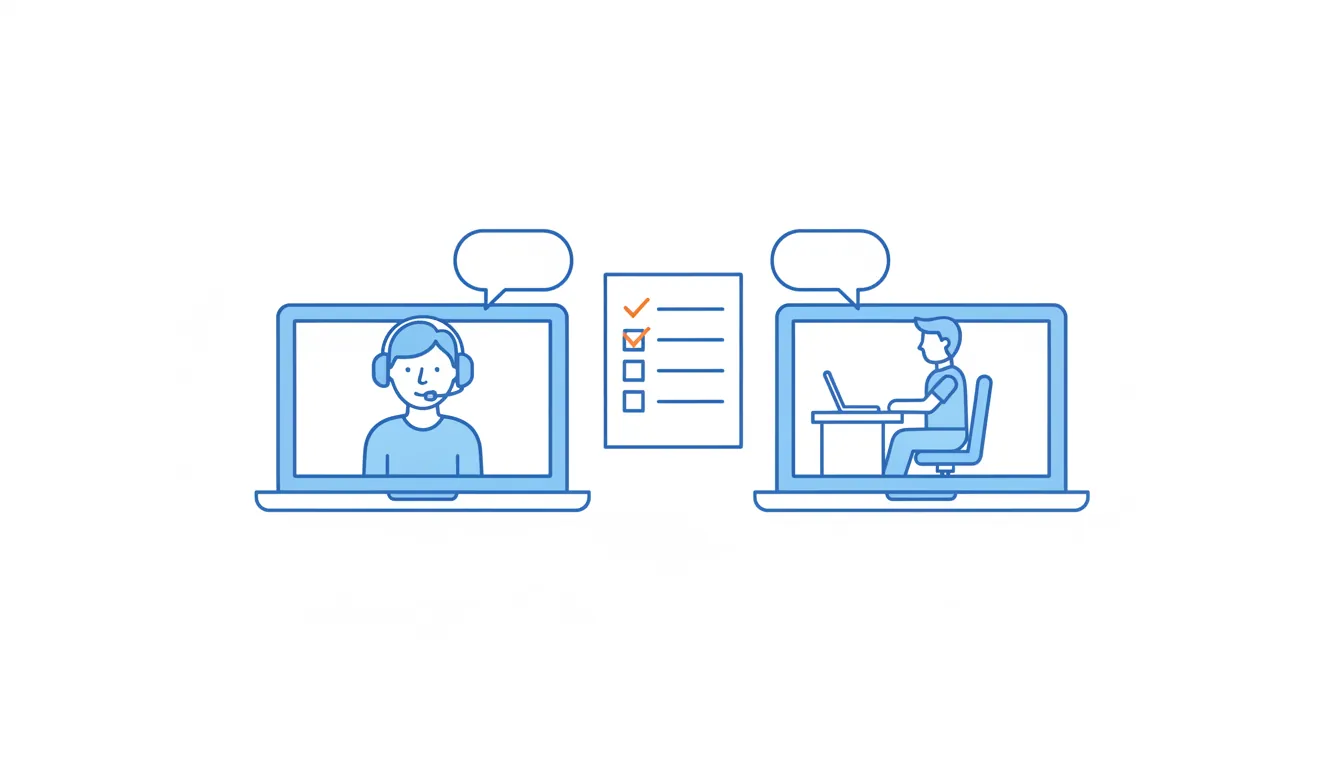
- 5.1The discovery call: ask before you pitchWhy a call that opens with a pitch ends with "send me something to read", and how to run one that finds the problem, its cost, the budget owner, the buying process and a dated next step.~23 min
- 5.2The demo and a mutual plan to closeShow each person on the committee only what solves their problem, then agree a shared plan with steps, owners and dates on both sides, from the demo to the first lesson.~23 min
- 5.3Objections and procurement pressure: honest answers"Too expensive", "we already have a provider", "just send a proposal" and a procurement request for 20% off and 60 days: clarify first, answer with facts, trade instead of giving in, and never bluff.~23 min
- 5.4Case: a stalled deal, write the next three messagesCobalt's learning lead went quiet after the first call. Find out why the deal stalled, then write three honest messages: one that helps the champion, one that asks for the process, and one that closes the loop kindly.~31 min
Module examComplete 4 more lessons to unlockModule 6: Proposal and price
A quote from the buyer's economics, the ROI case, and discounts as trades.
- 6.1A quote built from the buyer's economicsStart a proposal from what changes for the buyer, price a program instead of a lesson, offer a few clear options and terms, and fit it on one page.~24 min
- 6.2The ROI case for the finance directorTotal cost of ownership and payback in the buyer's own numbers, with every assumption flagged and a range instead of one hopeful figure.~24 min
- 6.3Discounts and give–get tradesHow much extra volume a discount needs to pay for itself, why longer payment terms are a hidden discount, what to ask for in return, and who approves what.~24 min
- 6.4Case: 60 days and 20% offVeloria's procurement asks for 20% off and 60 days to pay. Work out what each costs Klasna, then answer with a counter-offer that trades instead of gives.~39 min
Module examComplete 4 more lessons to unlockModule 7: Partners and channels
Whether to use partners, choosing them, and terms with legal guardrails.
- 7.1Do we need partners?What a partner can bring (reach, trust, delivery), the three common models (referral, reseller, co-delivery), what each leaves you per sale, and when a partner is the wrong answer.~23 min
- 7.2Choosing partners with weighted criteriaBuild a partner scorecard: set the direction and weight of each criterion before you score, back every score with evidence, then check the winner against the economics.~22 min
- 7.3Partner terms and legal guardrailsTiered commission, deal registration, a partner marketing fund and conflict rules, plus the lines you don't cross: no fixed resale prices, no ban on passive sales, consent before sharing client data.~23 min
- 7.4Case: a training agency asks for exclusivityA training agency promises more deals if Klasna drops every other partner and fixes one resale price. Score the candidates, price the exclusivity, and counter with terms that are good business and stay legal.~42 min
Module examComplete 4 more lessons to unlockModule 8: Accounts, renewals and the first hire
Key accounts and concentration risk, renewals and expansion, and moving from founder-led selling to a first sales hire.
- 8.1A key account plan and concentration riskMap a big client's people, goals, usage and next step, measure how much of your revenue and margin it is, and lower that dependence without pushing the client away.~25 min
- 8.2Renewals, expansion and complaintsA renewal calendar at 120, 90 and 60 days, usage signals that warn early, a complaint handled as a sales moment, growth into a new team, and what net revenue retention does and doesn't tell you.~22 min
- 8.3From founder-led selling to the first sales hireWrite down what the founders know, agree shared definitions and a service agreement between marketing and sales, choose and onboard the first salesperson, and use AI tools with human review and care for data.~22 min
- 8.4Case: Veloria is 38% of Teams revenueCheck a concentration headline against a year of data, turn the share into money, see where concentration moves next, and write the key account plan and the answer to the CEO.~39 min
Module examComplete 4 more lessons to unlock