

Theory
Alignment and buy-in with stakeholders
Why a roadmap needs alignment rather than consensus, how one-to-one conversations and a co-creation workshop win stakeholders' buy-in, and why a settled decision stays closed until new evidence arrives.
~11 min read · 12 exercises · 250 points
Before you start
A vote settles nothing
Back at CatChow, the PurrPoint pilot review went well: the clinics ordered almost everything through the form and never ran out. Before the board meets on the 16th, Ian wants everyone behind next quarter's plan, and his idea is to get them all in a room and vote.
This last module is about taking the roadmap to people. This first lesson shows why a roadmap needs alignment rather than a vote, and how one-to-one talks and a joint workshop win real support.
Alignment, not a vote
Alignment means the people who do the work understand where the roadmap is going, why, and what their own part is, even where they would have ordered things differently. That, not a majority, is what makes a company carry out a plan.
A vote can't produce it. Before the board meets, Ian wants “everyone behind the plan” and suggests voting on next quarter's order. Picture the Monday after: one side has won, the others have lost, and nobody feels the result is theirs. The losers quietly keep their own priorities, and the plan exists only on paper.
Three shortcuts look like alignment and aren't:
- Unanimity on every item: slow, and it waters the plan down until nobody owns it.
- A date next to each feature: it calms the board for a month and brings back the promises an outcome-based roadmap avoids.
- One wish per person: a trade of favors, not a strategy.
So before you plan any meeting, decide what it must produce: understanding and commitment, not a show of hands.
- Don't“Let's vote on next quarter's order on Friday. Majority wins.”
Creates winners and losers, not owners.
- Do“By Friday I want each of you to know where we're going, why, and what your part is.”
Aims at understanding and commitment.
- Don't“Give me a date for every feature so the board sees we're committed.”
Brings back the promises the roadmap avoids.
Alignment, consensus, collaboration, buy-in
Four words get mixed up in every planning meeting, and they ask for very different things.
- Alignment: everyone understands where the roadmap is going, why, and what their own part is. They may still disagree on details, the way Lucy, the tech lead, would order the quarter differently but can explain why the clinic theme comes first.
- Consensus: everyone agrees with every decision. In practice it means long meetings, a watered-down plan and the classic “it wasn't my decision”.
- Collaboration: people work towards the same result even when they'd choose different steps, for example two teams testing two fixes for the same problem.
- Buy-in: commitment that grows from understanding the reasoning and having helped shape the plan. Its opposite is grudging acceptance of a plan someone handed you.
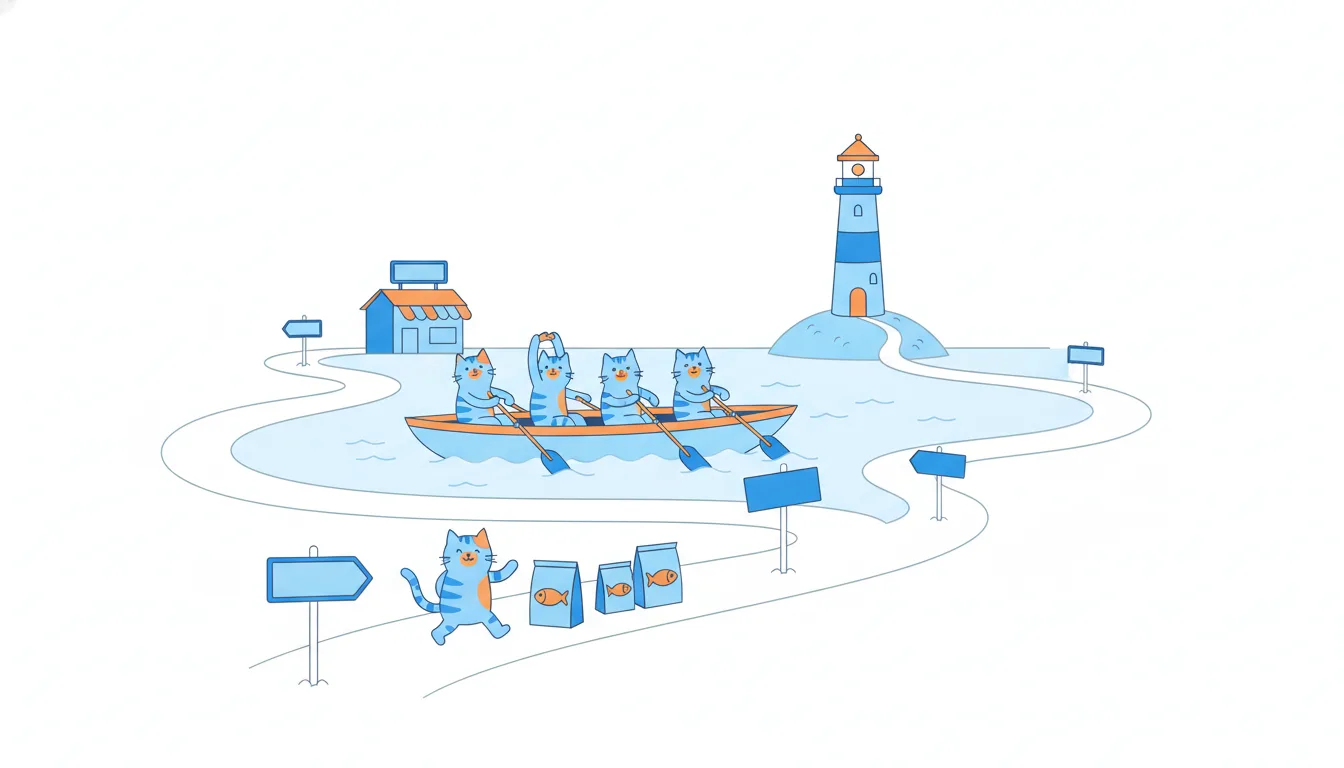
The target is alignment plus collaboration, with as much buy-in as you can earn. Consensus isn't required, and chasing it usually costs you the other three.
- Do“You'd order it differently, I know. Can you plan your team around the clinic theme going first?”
Asks for alignment, not agreement.
- Don't“We'll keep meeting until all six of us agree on every item.”
Chases consensus; the plan gets watered down.
Talk one to one first
The instinct is to gather everyone and show the draft at the same moment. Then first reactions happen in public: the loudest voice sets the tone, people defend positions they took in the first minute, and nobody mentions the awkward constraint they'd never raise in front of the CEO.
Shuttle diplomacy works the other way: you go back and forth between people, one at a time, before anyone meets as a group. Each talk is shorter than the argument it saves. One to one, Lucy can say how fragile the old warehouse system really is, and support can say which calls eat their week.
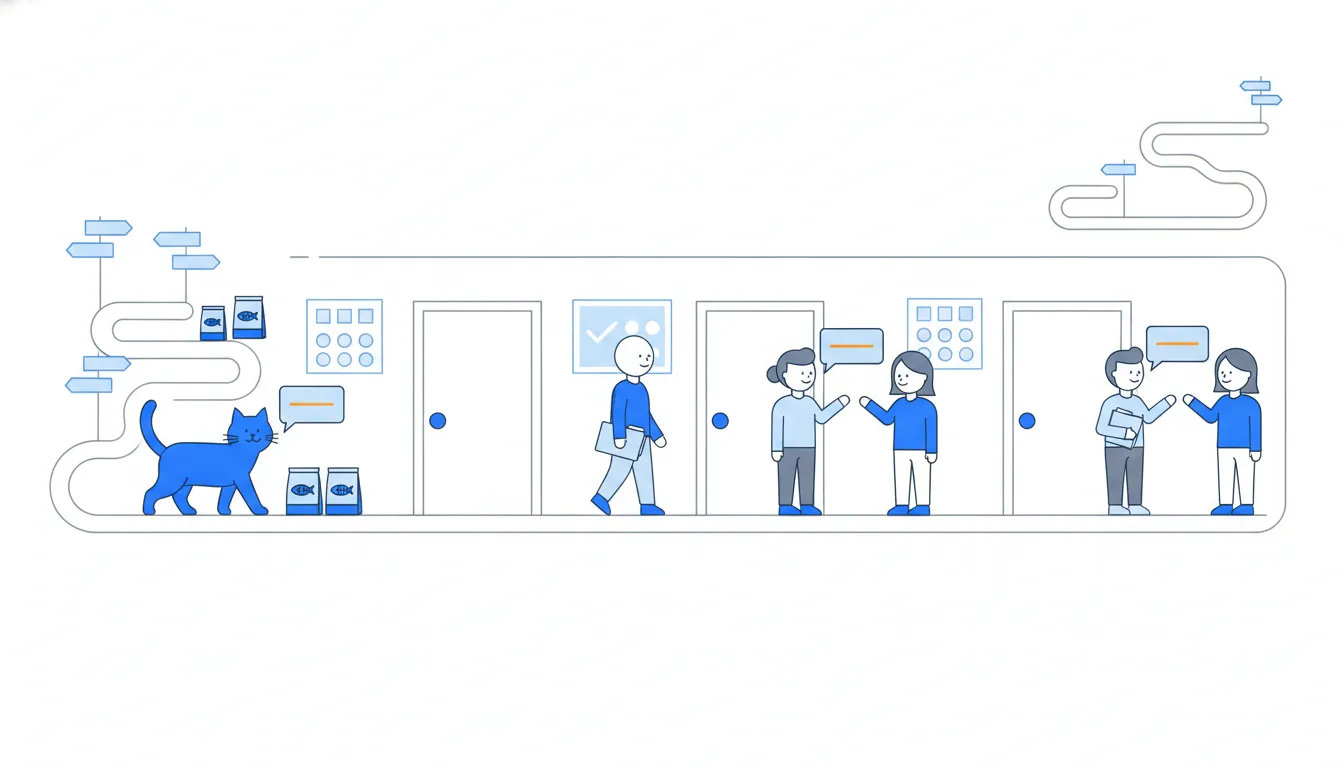
By the time the group meets, everyone's input is already in the draft, so people walk in defending a plan they recognise rather than attacking yours.
It stays fair under two conditions: everyone knows you're talking to everyone, and nobody gets a private promise. You collect needs and constraints; the decisions are still made together.
- Do“I'm talking to each of you this week before Friday. What does your team need from next quarter?”
Open about talking to everyone; starts with their needs.
- Don't“Here's the draft for everyone. Thoughts?” sent to all six at once on Monday morning
First reactions happen in public and harden into positions.
Fair one-to-ones, no side deals
One-to-ones work because people speak openly in them. That openness disappears the moment the talks start to look like backroom trading.
Keep three rules:
- Say that you talk to everyone. “I'm meeting each of you before Friday” tells Lucy that support and sales get the same chance, so nobody feels outflanked.
- Promise to listen, not an outcome. You can promise that her point will be in the draft and that you'll explain what happened to it. You can't promise the warehouse a slot in exchange for her support: the order is decided on Friday, by criteria and dependencies.
- Keep what you heard to yourself. What someone says they'd give up is for your preparation, not for the slide.
A side deal feels efficient: one conversation, one ally. But deals leak, and once one person has traded support for a slot, everyone else learns that the real roadmap is negotiated in corridors, and stops trusting the workshop.
- Do“Whatever you tell me goes into the draft we all look at, and I'll tell you what happened to it.”
Promises a fair hearing, not a result.
- Don't“Keep this between us: support the clinics and the warehouse goes first.”
A private trade that poisons the workshop once it leaks.
Questions in GROW order
One-to-ones easily turn into an interrogation or a sales pitch. A simple structure borrowed from coaching, GROW, keeps them a conversation:
- Goals: what does this person want to achieve? “What does your team need done by the end of March to call the quarter a success?”
- Reality: what are they dealing with now? “What is your team carrying, and what takes more time than it should?”
- Options: what do they think would help? “What could get clinic orders onto the new system sooner without risking lost orders?”
- Way forward: what would they back? “Which of those would you support on Friday, and what would you need from the others?”
Open with the person, not with your roadmap. Then tie what you hear to the two objectives, so every conversation stays about the same plan. Asking for a commitment before you understand someone's goals and workload feels like a demand, and you'll get a polite yes that means nothing on Friday.
- Do“What does your team need to have done by March for you to call it a good quarter?”
Starts with her goal.
- Don't“So, can I count on your support for the clinic theme on Friday?” as the first question
Asks for commitment before understanding anything.
Separate the goal from the proposal
Stakeholders rarely arrive with a goal; they arrive with a solution, so the habit from What a roadmap is (and isn't), hearing the need behind the request, matters most here. Ian doesn't say “I want people to care about the numbers”; he says “tie a bonus to the stock-out number”. If you treat the proposal as the goal, you have two bad moves: accept an idea that invites people to game a metric, or argue and turn the CEO into an opponent.
GROW gives you a third move. Ask what the proposal is for. The goal turns out to be people caring about outcomes. The reality is that teams report features shipped, not numbers moved. Now look for options that serve the goal: the key results shown at every monthly review, in front of everyone, and Ian opening the workshop by naming the two objectives himself.
Ian gets what he actually wanted, keeps face and drops the bonus without losing an argument. The same move works with anyone who walks in with a feature instead of a need.
- Do“What would the bonus change? What do you want people to do differently?”
Finds the goal behind the proposal.
- Don't“A bonus on stock-outs is a bad idea, people will just game it.”
Right point, wrong move: Ian now has to defend his idea.
Put the conversations on one sheet
After the one-to-ones, collect what you heard on one sheet: a row per person with what they answer for, what worries them, what they'd give up and which themes they back. Sofia's sheet shows:
- Clinics: Ian, Brandon, and Lucy once clinic orders move.
- Subscribers: Ian and support.
- New owners: only support.
- The warehouse: only Lucy.
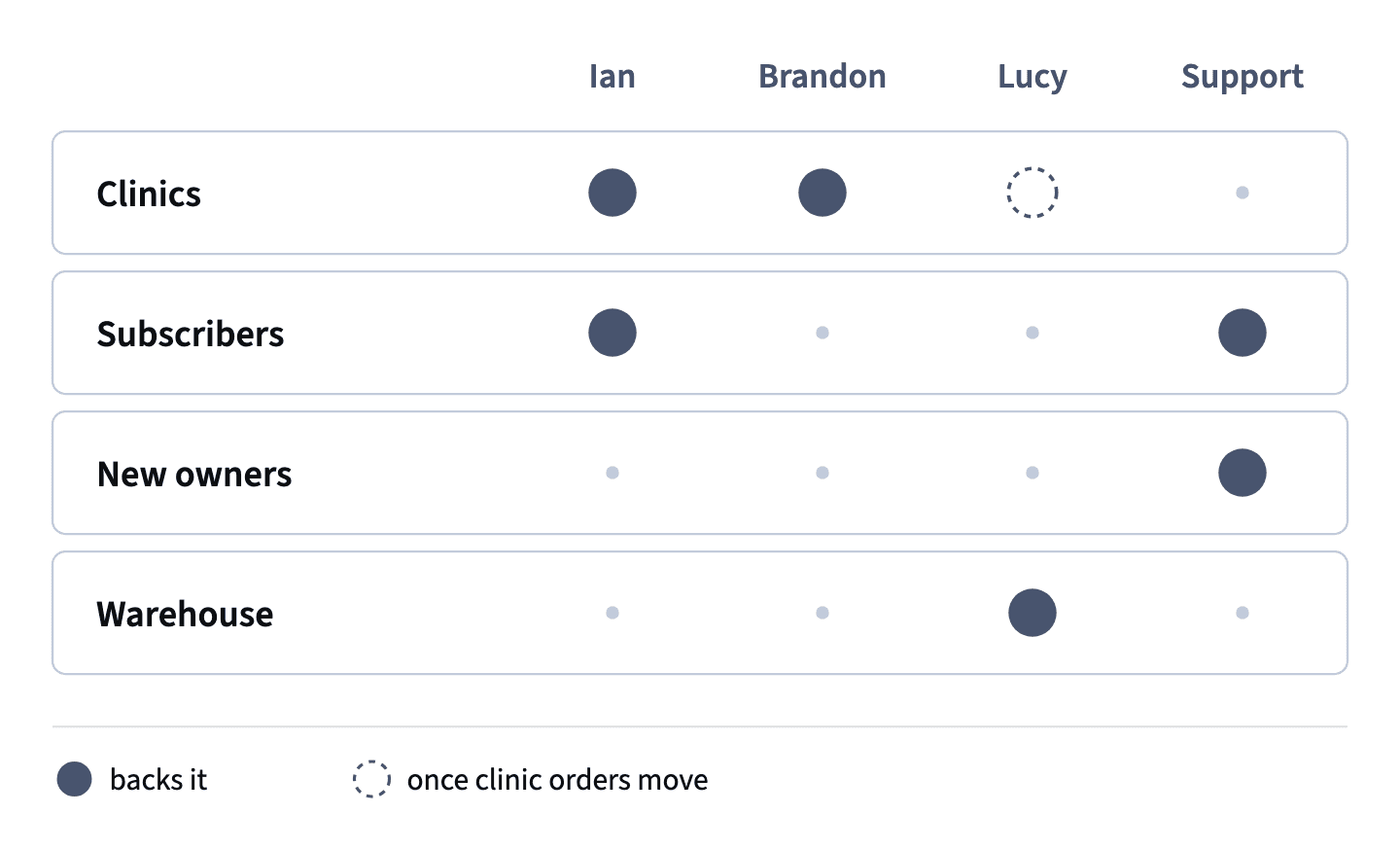
Now you know before Friday what's already agreed and what the room needs its time for. The clinic and subscriber themes become the starting point. The room's time goes to the new-owner theme, where support has evidence nobody else has seen, and to explaining why the warehouse goes first even though few people back it.
Two mistakes to avoid. Dropping a theme because only one person backs it: one backer can still hold the key evidence or dependency. And showing the whole sheet on screen: what someone said they'd give up was said in private, and publishing it breaks the trust that made the one-to-ones work.
- Do“Clinics and subscribers already have backers, so Friday's time goes to new owners and to the warehouse dependency.”
Builds on the overlap, spends the room on what's open.
- Don'tA slide titled “What each of you said you'd give up”
Publishes what was said in private.
Run a co-creation workshop
Presenting a plan and taking questions gets you polite nods. In a co-creation workshop stakeholders build the final version with you: you arrive with a draft, they leave with a plan they've shaped.
A simple agenda:
- What's settled: the vision and objectives, stated by the leader (here Ian) and not debated. Open them up and two hours go on wording.
- What's changed since the last version, such as the pilot results.
- The open choice: the order of work for next quarter. A quick budget helps: everyone splits 100 points across the themes, and in five minutes you see where each person's weight is. The biggest gaps start the discussion.
- Decisions written down: the order, owners and the “not now” list, shared the same day.
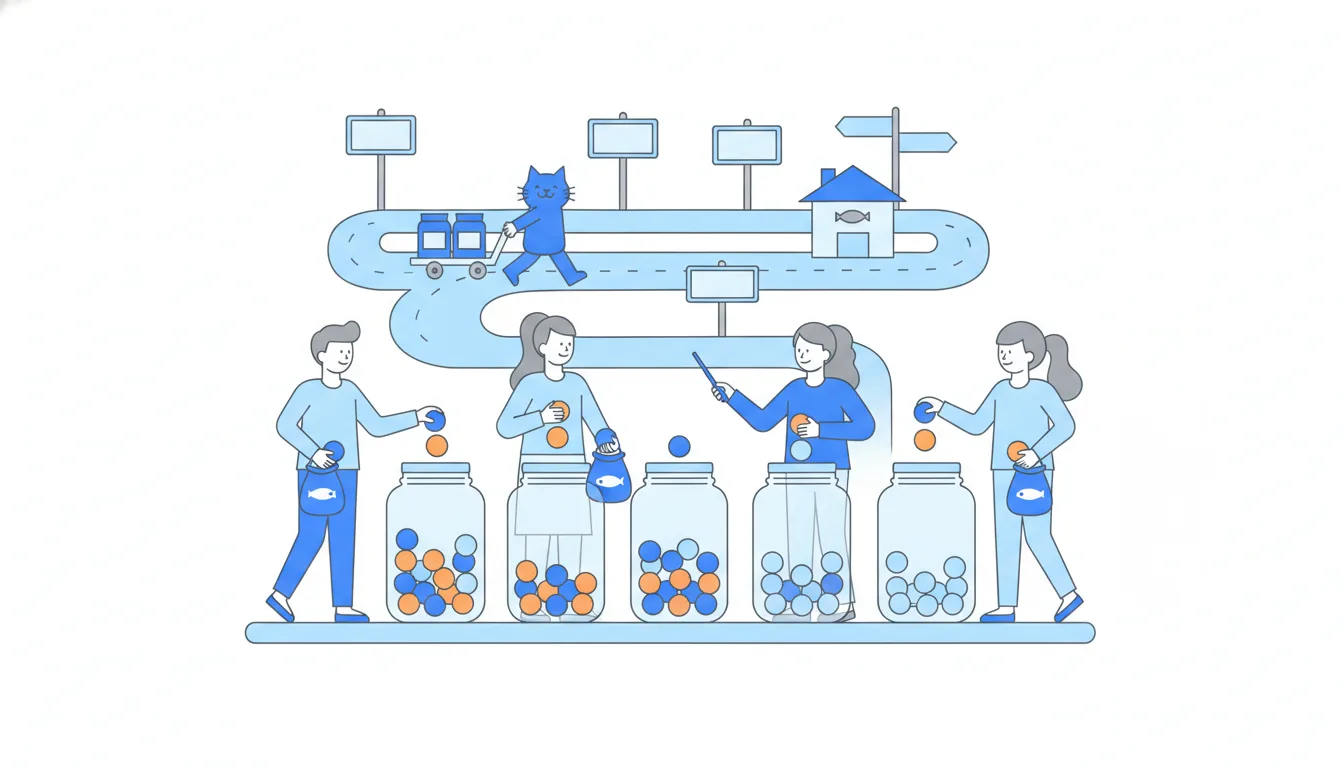
The points start the discussion; criteria and dependencies still decide. The invitation should say what the session will decide, what's already settled and what to bring, because people prepare for a decision differently than for a status update.
- Do“Ian opens with the vision and the two objectives; they're settled. Then 100 points each, then the biggest gaps.”
Settled things first, the open choice second.
- Don't“The points are in: the order follows the totals. Thanks, everyone!”
Turns the workshop back into a vote and ignores dependencies.
- Don't“Let's start by rewording the vision together so everyone owns it.”
Two hours on wording, the quarter still undecided.
Keep decided things decided
After the workshop the clinic theme got 170 of the 500 points and subscribers 160. Support's 60 points on new owners moved a cheap quiz test up to March: the room changed something, for a reason everyone can repeat. The warehouse got only 80 and still goes first: like any enabling work, it's judged by what it unlocks, and the points only show who needs that explained again.
Two days later Brandon, the key account manager, wants the portal back on the table because one admin found the form plain. Don't reopen a decision without significant new information: evidence that it no longer does its job. Opinions, repeated requests and pressure don't count. If decisions last only until the next complaint, nobody invests in them.
Still, don't stop at no: restate the reason in evidence (8 of 9 orders without a call in the pilot) and say in advance what would count: lost orders, or admins needing order history or several clinics under one account.
How it fits together: One-to-ones find each person's goal, one sheet shows the overlaps, a workshop settles the open choice, and written decisions hold until evidence changes them. Next: sharing the agreed roadmap beyond the room.
- Do“If admins need order history or several clinics under one account, bring it to the December review and we'll look again.”
Keeps the decision and names what would reopen it.
- Don't“Fine, let's put the portal back on Friday's agenda and talk it through again.”
Reopens a decision on one comment.
Ready to practise?
Answer the lesson's exercises and earn 250 points the first time you finish it.
Start the exercises