

- Trainer
- Managers
- Founders
- Everyone
From Specialist to Manager: Your First Year Leading a Team
Move from doing the work to leading the people who do it. Plan your first 30 days, run one-to-ones, give feedback that changes behavior, delegate with a clear brief, diagnose motivation, run meetings that earn their time, handle conflict and overload, decide who decides, and grow your people, in the realistic first months of a new team lead at an online tutoring school.
Free32 lessons~14 h 41 min of learning

Module 1: The shift: from doing to leading
Why your output is now the team's output; the first 30 days; authority you have and influence you earn; a 30-60-90 plan.
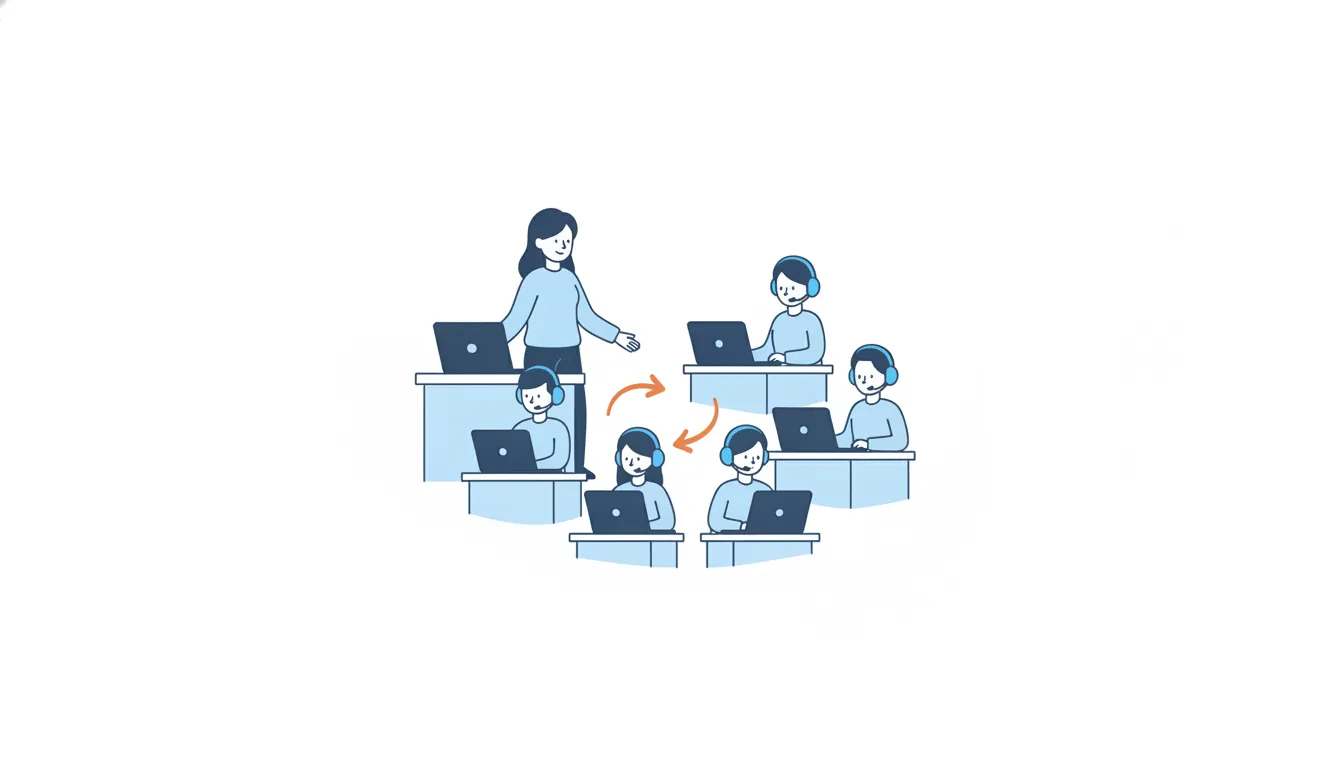
- 1.1Your output is now the team's outputWhere a new lead's time goes and what to stop doing yourself.~26 min
- 1.2The first 30 days: listen, set expectations, agree how we workA listening round, written expectations and a short working agreement.~24 min
- 1.3Authority you have, influence you earnSources of influence, compliance vs real agreement, and leading a former peer.~26 min
- 1.4Case: a 30-60-90 plan for the Support teamIryna wants one page before the February one-to-ones. Use your calendar and two months of team data to decide what you stop, what you hand over, what you measure and what you won't conclude.~43 min
Module examComplete 4 more lessons to unlockModule 2: One-to-ones and feedback
Running a one-to-one that belongs to the report; feedback on behavior; asking for feedback from the team; a case about a fast colleague who cuts corners.
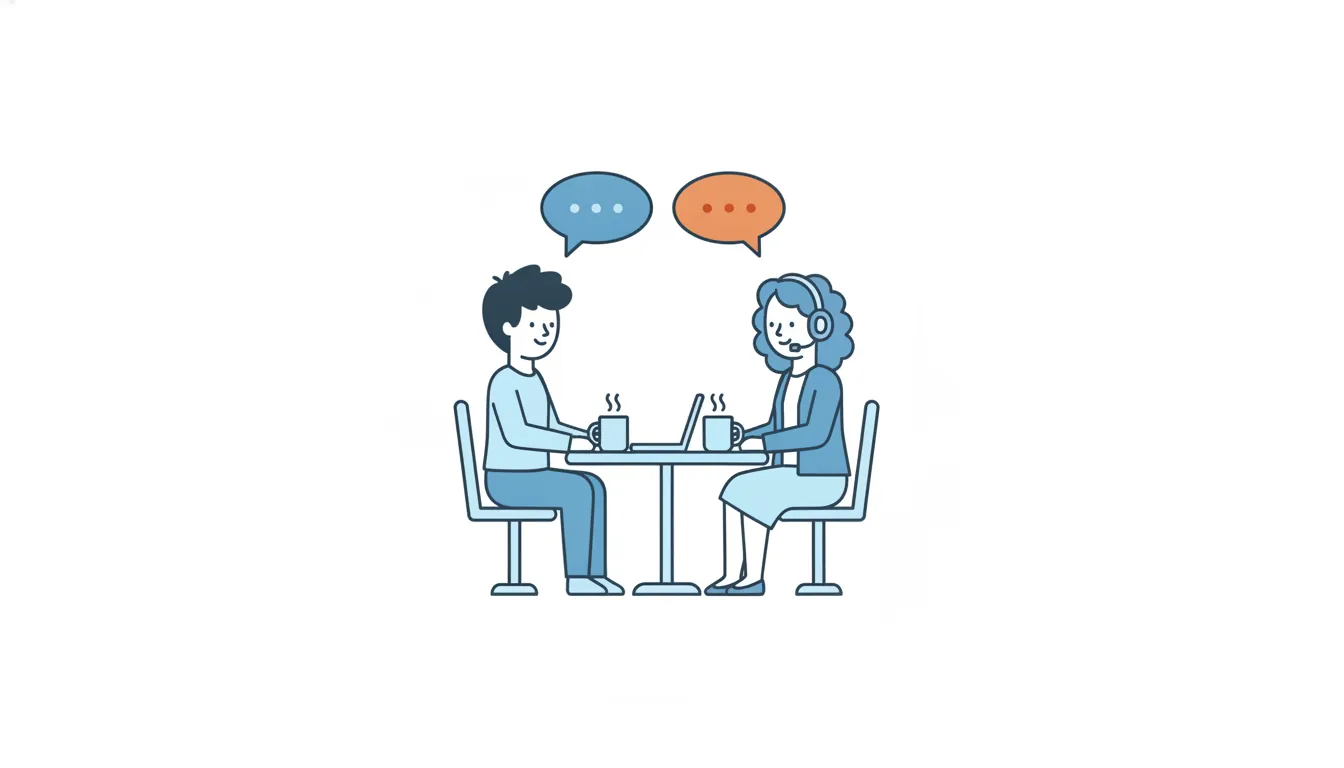
- 2.1The one-to-one that worksCadence, an agenda that belongs to the report, notes with next steps and neutral questions.~22 min
- 2.2Feedback on behavior, not on characterBehavior, impact, next step: ask the person's view first, skip the sandwich, and don't turn one case into "always".~23 min
- 2.3Feedback going up: your blind spotsHow to ask your team how you lead, what to do with what you hear, and how not to punish honesty.~24 min
- 2.4Case: Taras is fast and cuts cornersTaras closes the most tickets, and too many come back. Read his reopened tickets, separate habits from bad luck and script the one-to-one where you give him feedback.~39 min
Module examComplete 4 more lessons to unlockModule 3: Delegation and the design of work
Writing a delegation brief; choosing how much freedom to give; designing work people grow in; splitting the spring peak.

- 3.1The delegation briefOutcome, limits, decision rights, resources, check-ins and what "done" means, for a person and for an AI draft assistant; the result stays yours.~23 min
- 3.2Levels of freedom: matching person and taskFour levels of freedom, set per person and per task from experience on that task, the cost of a mistake and the person's own view.~26 min
- 3.3Work people grow inVariety, a whole piece of work, meaning, autonomy and feedback; ask first whether the person wants more, and remember that too much is overload.~24 min
- 3.4Case: splitting the spring peakRead the peak forecast, close the gap without taking the hard tickets yourself, and write the split plan with delegation briefs for four coordinators, two seasonal hires and an AI draft assistant.~40 min
Module examComplete 4 more lessons to unlockModule 4: Motivation and fairness
Diagnosing a motivation problem; goals people accept and what one metric does to behavior; fairness and recognition; the "tickets closed" bonus.
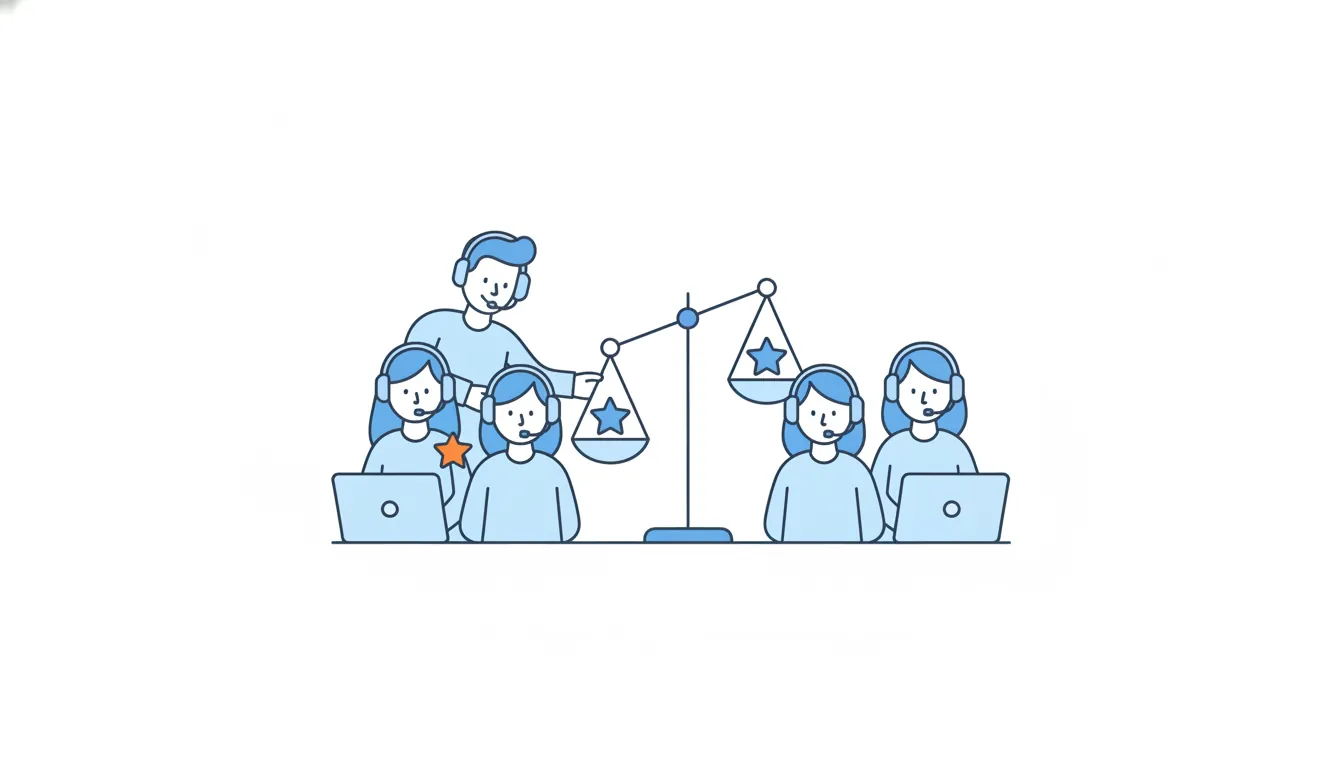
- 4.1Can't, won't, or doesn't believe it pays offBefore you push, praise or pay, find out why the work isn't happening.~23 min
- 4.2Goals people acceptSpecific, hard but reachable, agreed goals with progress feedback, and guardrails against what one metric does to behavior.~22 min
- 4.3Fairness and recognitionPay, promotion, workload and praise that you can explain to everyone, and recognition that is specific and on time.~22 min
- 4.4Case: the "tickets closed" bonusFour weeks of bonus data: closes are up, quality is down. Read the numbers and propose to Iryna what to change.~40 min
Module examComplete 4 more lessons to unlockModule 5: Meetings and communication
Do we need this meeting; channels and async work; bad news up and decisions down; the 90-minute stand-up.

- 5.1Do we need this meeting?Purpose, type and roles before you send an invite, an ending with owner, step and date, and the meeting you cancel because a message will do.~22 min
- 5.2Channels and async workWhen to talk live and when to write, messages people can act on, time zones and outages, and what to hand to a tool.~22 min
- 5.3Bad news up, decisions downWhy a quiet person sits on a problem, what a lead does to make speaking up safe, and how to announce a decision you did not make.~24 min
- 5.4Case: the 90-minute stand-upTwo weeks of meeting-audit data show where the daily stand-up's 90 minutes go. Redesign it for a team across two time zones.~38 min
Module examComplete 4 more lessons to unlockModule 6: Conflict and pressure
Where conflicts come from; mediating between two reports; overload and burnout; a ticket-ownership dispute.
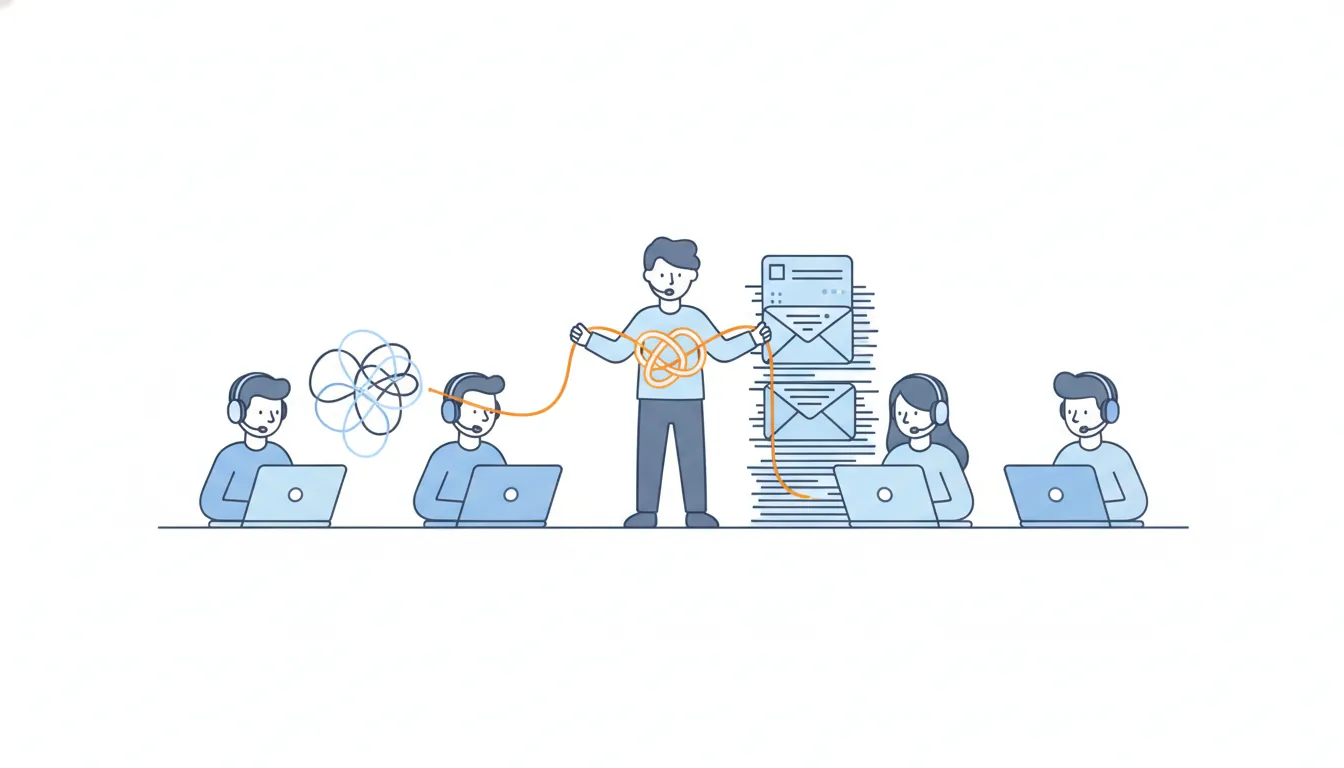
- 6.1Where conflicts come fromLook for the cause in roles, shared resources, goals and metrics before personalities, and pick a response that fits the situation.~24 min
- 6.2Mediating between two reportsHear each side alone, look for interests behind positions, collect options before choosing, and know when not to mediate.~24 min
- 6.3Overload and burnoutRead eight weeks of workload data, spot the early signs the average hides, and use the levers you control, including on your own week.~28 min
- 6.4Case: ticket ownership, Olha and TarasOne refund ticket, two answers to a family and two rules that both claim it. Find the structural cause, run the conversations and write the rule.~33 min
Module examComplete 4 more lessons to unlockModule 7: Decisions and team structure
Who decides; real options and the pre-mortem; structuring a small team; planning the summer with two people.

- 7.1Who decides?Sort out who decides, who advises, who agrees and who can veto; name the decision mode before you start; move fast on reversible decisions and keep a decision log.~22 min
- 7.2Real options and the pre-mortemPut at least two real options on the table, write the must-haves first, compare trade-offs, collect views before the discussion and imagine the failure before it happens.~24 min
- 7.3Structuring a small teamChoose between a split by subject, by channel or a shared pool, give each area an owner and a backup, and make hand-offs and two-boss setups work.~23 min
- 7.4Case: support for the summer with two peopleUse last summer's ticket mix to plan August with two coordinators on shift: forecast the load, choose the structure, decide who decides, and run a pre-mortem.~37 min
Module examComplete 4 more lessons to unlockModule 8: Growing people, and a team that runs without you
Coaching conversations; evaluating people fairly; development plans and handover; the review season.

- 8.1Coaching conversationsAsk more than you tell: goal, reality, options and one next step, and the three cases when coaching is the wrong tool.~25 min
- 8.2Evaluating people fairlyKeep a fact log, spot halo, recency and similar-to-me bias, use the same criteria for everyone and ask for a second opinion.~24 min
- 8.3Development plans, handover and being awayWrite growth plans with people, not for them, lower the bus factor, and leave a handover note so the team runs while you're away.~24 min
- 8.4Case: the review seasonSeven months of facts, four coordinators, one great July week: write fair evaluations and a next-year plan for each person.~40 min
Module examComplete 4 more lessons to unlock