

Theory
Why “do you like my idea?” is useless
Why asking customers if they like your idea gets polite yeses, how false positives make a team confidently wrong, and how to tell opinions from facts.
~12 min read · 13 exercises · 250 points
Before you start
Where you work
You've just joined the product team at CatChow, a small online shop of about thirty people that sells cat food, treats and litter. The team wants to launch a food subscription: a monthly delivery, a bit cheaper than buying in the shop.
Before anyone builds it, the team needs to know whether customers really want it. Sofia, a junior PM, will run the customer calls, and you'll work with her: prepare the questions, review the calls and read the notes. This lesson is about the question almost everyone asks first: “Do you like my idea?”
Why a free “yes” proves little
CatChow, a small online shop for cat food, treats and litter, wants to launch a food subscription: a monthly delivery, a bit cheaper than buying in the shop. Before anyone builds it, the team needs to know whether customers really want it. The obvious plan is to call twenty customers, describe the subscription and ask whether they like it. Megan, the head of sales, has already tried a version of this at a pet expo: 38 of the 40 visitors at the booth said they'd subscribe.
Ask what that yes cost them. Nothing. They had free samples in hand, a smiling rep was asking, and yes is the quickest, friendliest way to end the chat. Such a yes tells you about people's manners, not about what they'll do with their money next month.
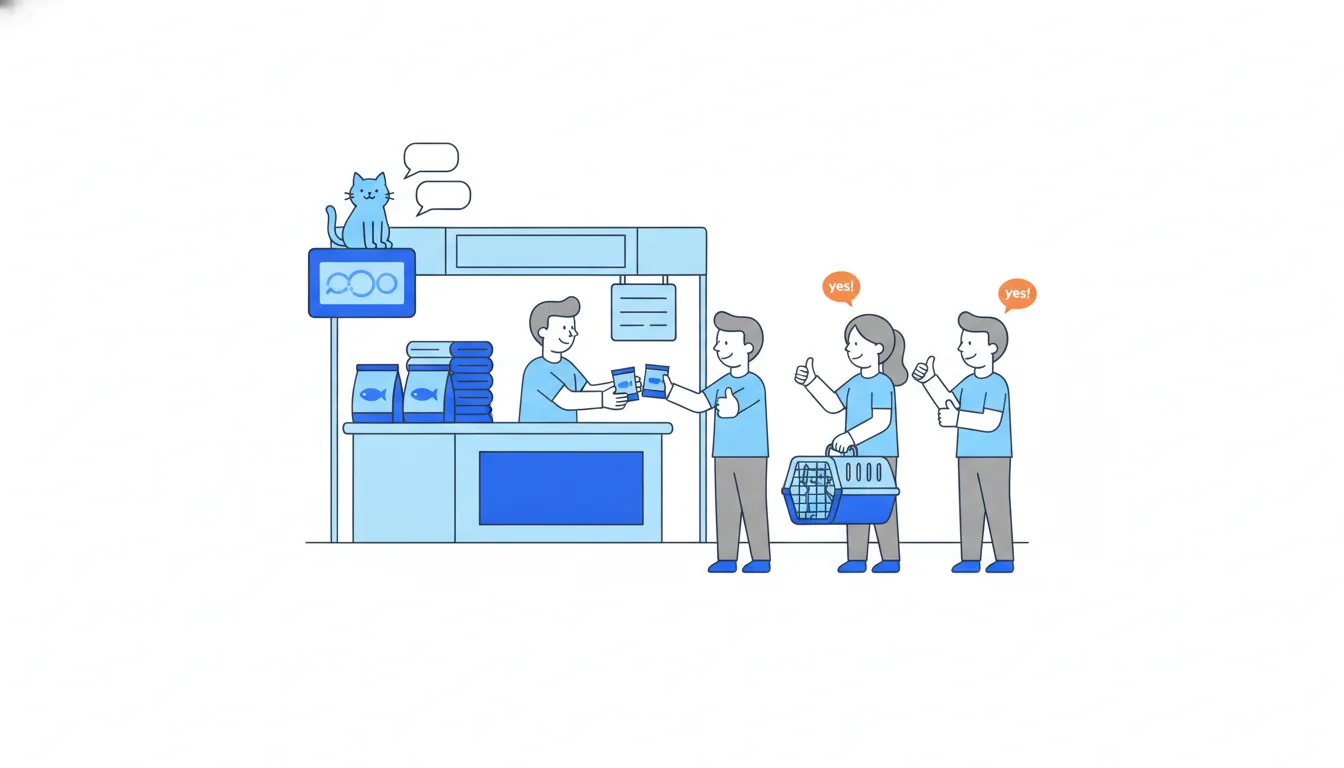
Asking more people doesn't help either. If the question invites a polite answer, 400 people give you 400 polite answers. The problem is the question, not the sample. What counts as evidence is behaviour that cost something: time, effort or money already spent on the problem.
- Don't“38 of 40 said they'd subscribe. The idea is validated, let's aim for March.”
Counts free, polite yeses as demand.
- Do“38 of 40 were friendly at the booth. Now let's find out how they actually buy food today.”
Treats the yeses as a nice chat and goes looking for behaviour.
The question misleads, not the person
It's tempting to think that a loyal customer like Olivia, who has bought from CatChow for two years, has no reason to mislead you. In fact she has a very good one: she likes you. You arrive excited about your idea, and saying “meh” feels rude, so the pleasant answer comes out instead of the true one.
The natural fix seems to be talking to strangers, people who don't care about your feelings. But strangers are polite too: Megan's expo visitors had never met her, and nearly all of them said yes. The problem isn't who you ask, it's what you ask. Nobody can honestly answer “Is my idea good?” Only the market can, when people pay.
So change the question, not the people. Ask about the person's own life and what has already happened: when they last had the problem, what they did, what it cost. There's no polite version of a fact. The next lesson turns this into three rules for questions that get honest answers, rules that work even with someone who loves you.
- Don'tSwap loyal customers for strangers, but keep asking “Would you subscribe?”
New people, the same polite answers.
- DoKeep talking to Olivia, but ask “When did you last buy food for Whiskers?”
The same person, a question with no polite version.
Polite, not dishonest
When customers mislead you, they're almost never lying on purpose, and seeing them as liars leads to the wrong fix.
Two things happen at once. First, the conversation is social: you're friendly and keen, and agreeing is the easiest way to keep it pleasant. Second, you've asked for a prediction: would they buy, use or pay in a future that doesn't exist yet? Nobody knows that, so they guess, and with someone friendly listening, they round up in your favour.
The striking part is that most people believe their own “I'd buy it” while they say it. Olivia isn't trying to end the call quickly; she genuinely pictures herself unpacking a monthly box. What's uncertain is the future, not her honesty.
That's why trying to catch customers out, pushing harder or asking “Are you sure?” doesn't help: a sincere guess stays a guess. What helps is asking about things that already happened, where there's nothing to guess and nothing to round up.
- Don't“Are you really sure you'd sign up? Be honest with me.”
Pushing turns a sincere guess into a firmer guess, nothing more.
- Do“Has your cat's food ever run out? What happened then?”
A memory leaves nothing to round up.
How a polite answer becomes a costly mistake
A false positive is evidence that says “go” when the real answer is “no”. It rarely appears in one step; it grows in a chain:
- Someone pitches the idea and asks for an opinion.
- The listener gives the kind answer: “I'd definitely sign up.”
- The answer is logged as a “yes” in a spreadsheet.
- Nineteen yeses out of twenty feel like proof, so the team orders packaging, signs a courier contract and plans a March launch.
- At launch only a handful of customers subscribe, and three months of work are gone.
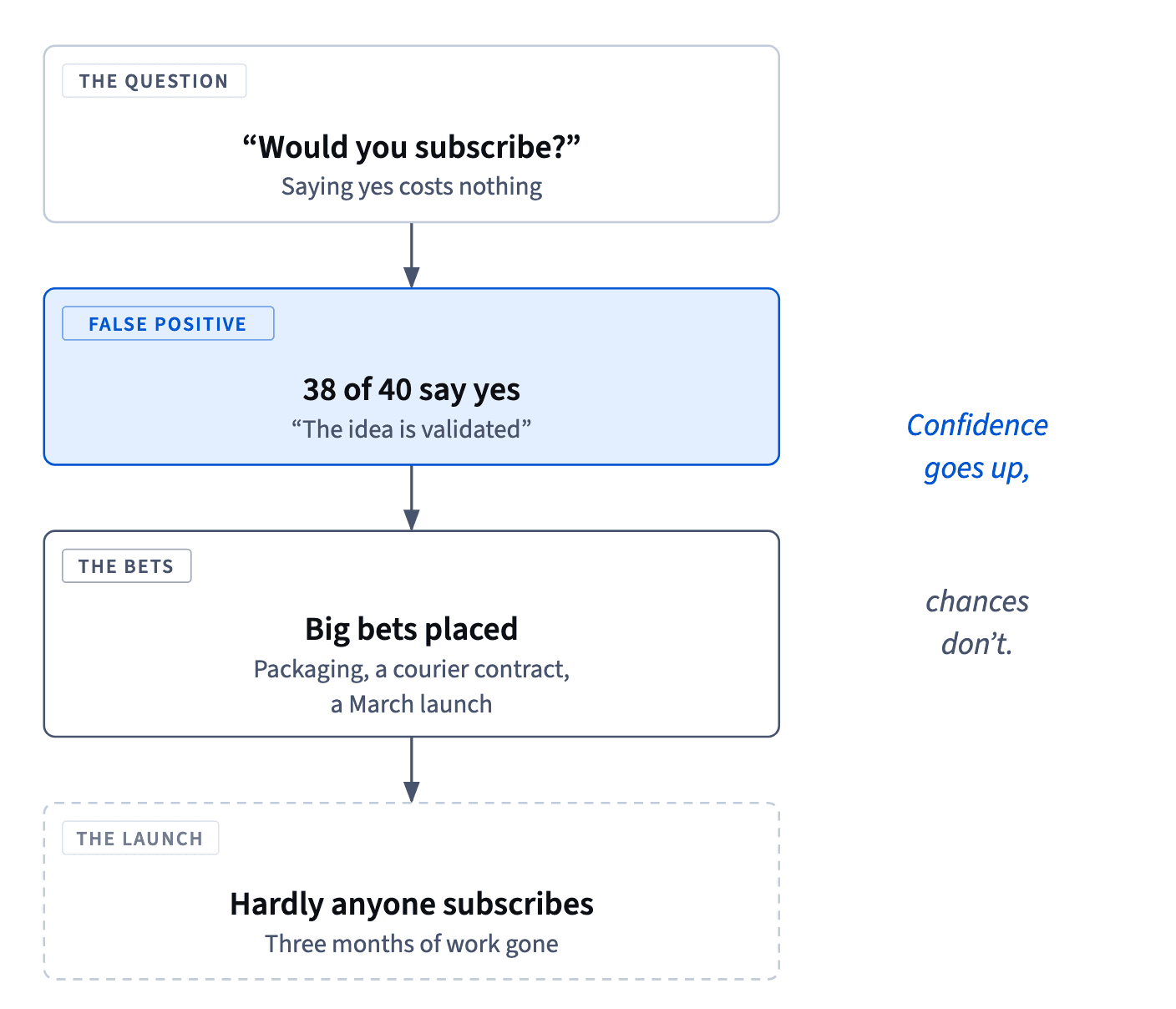
Each step looks reasonable on its own. That's what makes the chain dangerous: by step four nobody remembers that the “evidence” was plain politeness. The truth arrives only when people are asked to pay, which is the most expensive moment to learn it.
The cheapest place to break the chain is the first link. Change the question, and steps two to five never happen.
- Don'tSpreadsheet row: “Olivia: strong yes, wants treats”
A polite reaction recorded as evidence: link three of the chain.
- DoSpreadsheet row: “Ran out of food on a Sunday two weeks ago, drove across town to a 24-hour shop”
A real event is worth logging; a compliment isn't.
False positive: worse than no data
“Some data is better than no data” sounds sensible, and that's exactly the trap. Compare three situations:
- No data. The team knows it's guessing, so it stays careful: small tests, small bets, nothing it can't undo.
- False positive. A signal says “go” when the real answer is “no”. The team thinks it knows, so it commits budget, hires and signs contracts, and learns the truth only at launch. Its confidence went up; its chances didn't.
- False negative. The mirror image: the signal says “no” and the idea works anyway. In interviews this is the rarer mistake, because people are polite rather than harsh.
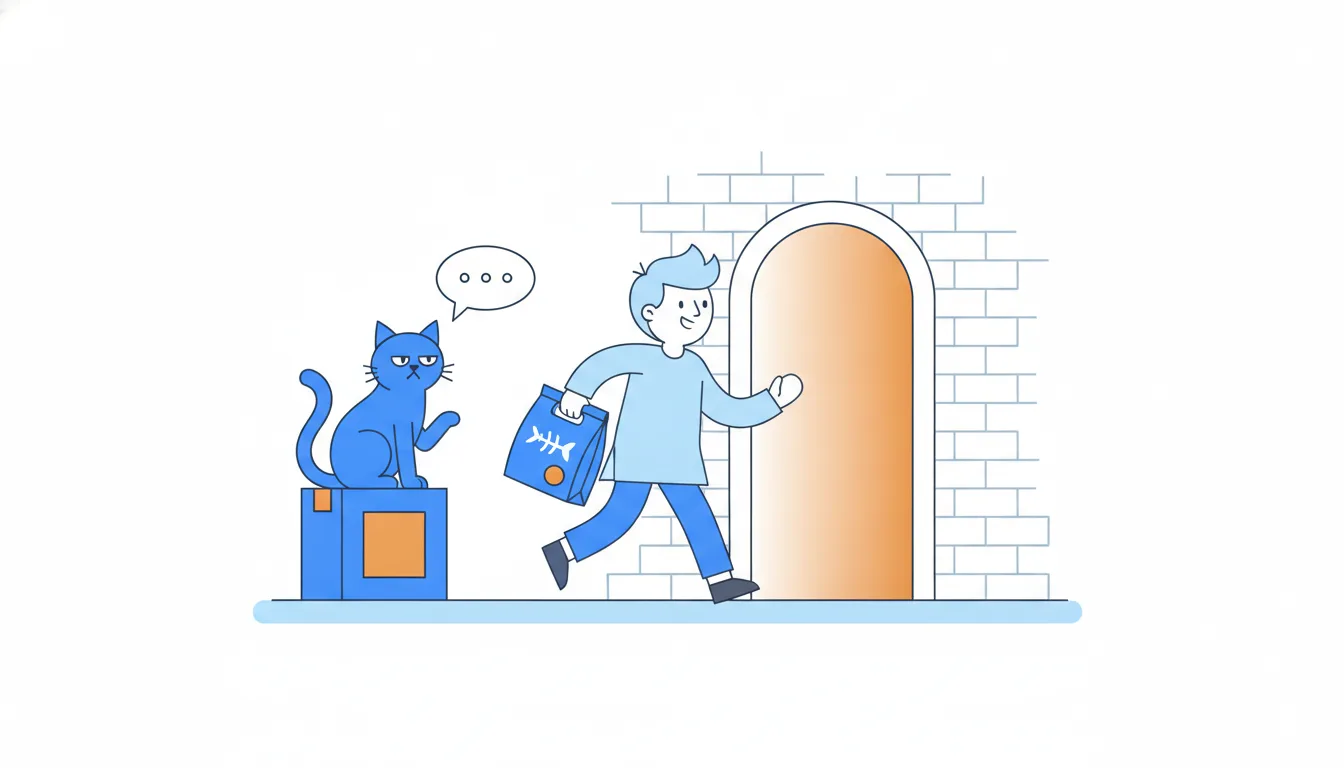
So a false positive isn't just weak evidence. It's misleading evidence that makes a team confident and wrong. Polite yeses to “Would you buy this?” are its classic source, which is why a badly asked question can cost more than no question at all.
- Don't“We have 38 yeses, so let's sign the courier contract.”
A big bet that's hard to undo, placed on polite answers.
- Do“We don't know yet, so let's run a two-week test before we build anything.”
Admitting there's no data keeps the bets small.
Opinions vs facts
While you're still on the call, sort every answer into two piles.
- Opinions: what someone thinks, likes or says they would do. “I love the idea” is an opinion. “I'd order every month” is a guess about the future, so it goes in the same pile. So does a general claim about yourself, such as “I usually plan my pet shopping carefully”: it describes who the person wants to be, and you can't check it.
- Facts: what actually happened. What the person did, bought, paid, forgot or complained about, ideally with a date, a place or a sum: “On Saturday I bought two 2 kg bags at the shop by my office.”
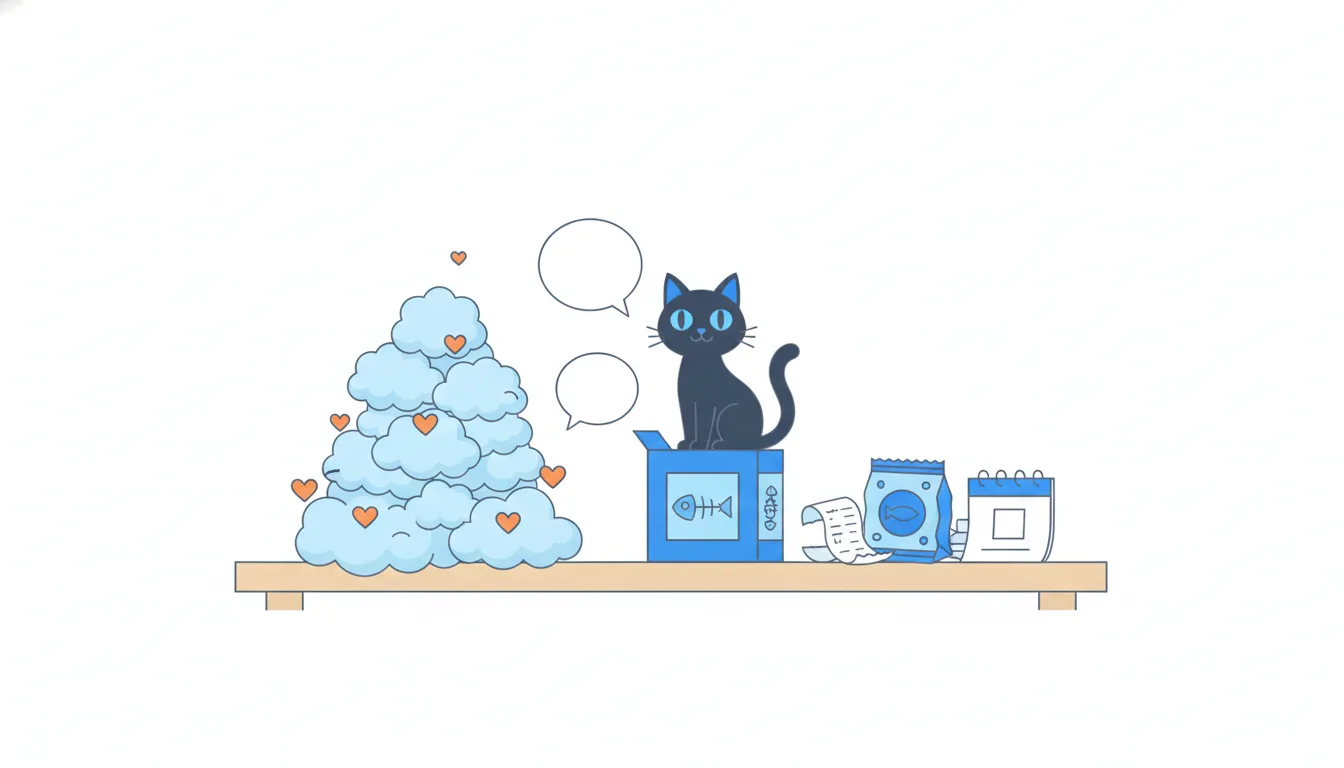
Only the second pile counts as evidence. Some words give an answer away: “would”, “definitely” and “always” tend to mark an opinion; “last month”, “on Saturday” and a sum paid tend to mark a fact. Notes full of enthusiasm and empty of events are still empty notes.
- Don'tLogging “I always buy the best food for my cat” as evidence
A general claim about yourself: opinion pile.
- DoLogging “Yesterday the bag split, so I paid for next-day delivery of a new one” as evidence
A dated event with money spent: fact pile.
Why the best evidence ignores your idea
The most useful answer in a customer call often doesn't mention your product at all. Take “Last month we ran out on a Sunday, and I drove to a 24-hour pet shop.” Nothing in it is about CatChow's subscription, and that's exactly why you can trust it: nobody can flatter an idea they haven't heard.
Look how much one such fact tells you:
- the problem is real: it actually happened;
- it's recent: last month, not years ago;
- the person already pays for it, in time, fuel and a Sunday trip.
Compare “I'd order every month, for sure.” It's about your idea, so politeness can shape it, and it's about the future, so it costs nothing to say. A quick test for any answer: could the person have said it without knowing anything about your idea? If yes, it's probably evidence. If it only makes sense as a reaction to your pitch, it's probably an opinion.
- Do“Two weeks ago we ran out on a Friday night, so I bought a pricier bag at the supermarket.”
A recent event with a real cost, and not a word about your idea.
- Don't“A monthly box? That would be so handy!”
A reaction to your pitch, so all it can do is flatter it.
Three kinds of noise and one fact
Here's a real first call. Sofia pitched: “We're launching a subscription: food delivered every month, 10% cheaper. Do you like the idea?” Olivia replied: “Oh, that sounds lovely! Whiskers would be thrilled. I'd definitely sign up. Will there be treats in the box too?” Sofia wrote down “strong yes, wants treats”.
Count the facts: zero. Label each line as you hear it:
- Compliment: praise for the idea (“Sounds lovely!”). Pleasant but empty. “Whiskers would be thrilled” is the same kind of guess, made on the cat's behalf.
- Future promise: what someone says they will do (“I'd definitely sign up”). Easy to give, rarely kept.
- Feature request: an idea for the product (“Will there be treats too?”). Worth noting, but mostly a sign of a good conversation partner, not a reason to build.
- Fact from the past: something that really happened (“We ran out on a Sunday night”). The only one that counts as evidence.
The first three together are bad data: they feel like evidence, but they're reactions to your idea. Later lessons show what to do with each; for now, learn to spot them.
- Don'tCall notes: “Olivia: strong yes, wants treats”
Three kinds of noise squeezed into one “yes”.
- DoCall notes: “Olivia: compliment, future promise, feature request (treats). Facts: none yet.”
Labels what was actually heard.
Ask about their life, not your idea
So what should Sofia have asked Olivia? Something about her life, not about CatChow's idea: “When did you last buy food for Whiskers? How did that go?” There's no polite lie for that: either there was a hassle or there wasn't. It works because the answer is a memory, not a judgement. There's nothing of yours in the question to praise, so she simply tells you what happened.
To rewrite any planned question, move it from the imagined future to a real, recent event, and leave the product out. Watch for three traps:
- Hypothetical: “Would you sign up if…?” asks for a guess.
- Pricing a future product: “How much would you pay?” gets a made-up number.
- Leading: “That must be annoying, right?” hands over the answer you want.
And if the story shows no hassle at all, that's not a failed call. You've learned in five minutes what a launch would teach you in five months: maybe buying food just isn't a problem for her. That's a saved budget.
- Don't“Wouldn't it be great never to run out of cat food again?”
Hypothetical and leading at once: the only friendly answer is yes.
- Do“Tell me about the last time you bought cat food. Where did you get it, and how did it get home?”
A recent event, told as a story, with no product in it.
Breaking the news: it's the question, not you
Sooner or later you'll have to tell a colleague that their “validated” idea isn't validated. Megan has already told the CEO that 38 of 40 expo visitors want the subscription. Your goal is to help her, not to prove her wrong.
Keep it short and skip the lecture. Separate the people from the question: she's right that people were friendly, and wrong only about what friendliness proves. Anyone asking that question would have collected 38 yeses. Then offer a cheap, concrete next step, such as calling ten of those visitors and asking how they bought food last time.
The next step isn't cancelling the launch; it's checking properly. Start with the notes you already have, and read them as if a stranger wrote them. A page of “loves it” adds up to nothing, but one customer who complained at length about slow deliveries has given you a real event. Complaints about things that actually happened are gold. A tally like “3 out of 3 positive” is just the expo mistake in miniature.
- Don't“Your numbers don't prove anything. Next time, ask a bigger sample.”
Blames the person and keeps the bad question.
- Do“The visitors were genuinely friendly; the question just couldn't show demand. Shall we call ten of them this week?”
Separates the people from the question and offers a next step.
Ready to practise?
Answer the lesson's exercises and earn 250 points the first time you finish it.
Start the exercises